Emotional Awareness
Team Collaboration
Self-Awareness
Emotional Intelligence
Workplace
Leadership
Stress Management
Workplace Communication
Team Dynamics

Practical Tips for Improving Emotional Intelligence in the Office
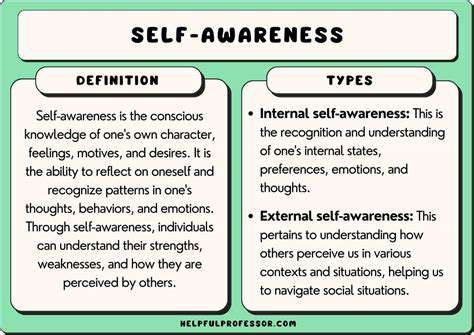
The Foundation of Emotional IntelligenceSelf-Awareness:TheFoundationofEmotionalIntelligence

Understanding Self-Awareness and Its Importance

Self-awareness is the ability to recognize and understand one’s emotions, strengths, weaknesses, and values. It is an essential component of emotional intelligence that impacts decision-making and interpersonal relationships.

Studies show that individuals with high self-awareness tend to perform better in professional settings. They not only understand their own emotions but also how those emotions impact their interactions with colleagues and clients.

Techniques to Enhance Self-Awareness

  • Regularly practicing reflection to assess emotions and reactions.
  • Seeking feedback from peers or mentors to gain external perspectives.
  • Keeping a journal to track emotional responses over time.

One effective method for enhancing self-awareness is through regular self-reflection. Carving out time at the end of each day to evaluate how you felt and reacted to situations can unveil patterns in your emotional response. This is not just about recognizing negative emotions; it's also crucial to acknowledge your positive feelings.

Mindfulness Practices for Emotional Clarity

Incorporating mindfulness into your daily routine can significantly improve self-awareness. Mindfulness exercises, such as meditation or deep-breathing techniques, help quiet the mind and allow individuals to focus on their feelings without judgment. Feeling grounded can help you assess your thoughts and emotions clearly.

Research indicates that engaging in mindfulness practices can reduce stress and enhance one's ability to manage emotions effectively. Regular practice can lead to improved emotional regulation and increased resilience, which are important in any workplace environment.

The Role of Feedback in Building Self-Awareness

Feedback from others plays a critical role in developing self-awareness. Colleagues and supervisors can provide insights into behaviors that one may not recognize themselves. Understanding how others perceive you can guide personal development and enhance workplace relationships.

To facilitate constructive feedback, creating a culture of openness and trust is vital. This ensures that individuals feel safe sharing honest observations without fear of negative repercussions. It’s beneficial to ask specific questions about one’s performance and behavior to gain clearer insights.

Setting Personal Goals for Emotional Growth

Setting specific, measurable goals related to emotional intelligence can be a game-changer in fostering self-awareness. These goals could range from improving communication skills to managing stress better during high-pressure situations. Creating a roadmap for these goals enhances accountability.

Regularly reviewing progress towards these goals can illuminate advancements and areas still needing attention. This deliberate tracking encourages continual growth and adaptation, essential aspects of emotional intelligence.

The Impact of Self-Awareness on Team Dynamics

In a team environment, self-awareness can enhance collaboration and understanding among team members. When employees are attuned to their emotions and those of others, they navigate interpersonal challenges more effectively. Teams composed of self-aware individuals tend to exhibit better communication and conflict resolution skills.

According to research, emotionally intelligent teams are more likely to achieve high performance and job satisfaction. This highlights the need for organizations to foster an environment where self-awareness can flourish. Training workshops can be an effective resource in this regard.

Conclusion: Commencing Your Journey Toward Improved Emotional Intelligence

Embarking on the path to enhancing self-awareness is a continuous journey rather than a destination. It requires consistent effort and a genuine desire for self-improvement. Embracing this journey not only amplifies emotional intelligence but can also lead to profound professional and personal growth.

As you begin applying these tips, consider integrating them into your day-to-day interactions. The key is to remain open to learning about yourself and embracing the feedback you receive along the way.

Enhancing Empathy in the Work Environment

Understanding Empathy and Its Role in the Workplace

Empathy involves the ability to understand and share the feelings of others, which is crucial in a work environment where collaboration is often necessary. Research shows that cultivating empathy among team members leads to increased trust and communication, resulting in a more cohesive work atmosphere. In 2019, a study published in the Journal of Business Psychology emphasized that teams with high levels of empathy demonstrate significant improvements in performance and job satisfaction.

Furthermore, developing empathy can significantly impact leadership styles within organizations. Leaders who exhibit empathetic traits often foster a more inclusive culture, enabling all employees to feel valued and heard. According to a survey by Business Solver, 92% of employees believe it's essential for a company to have empathetic leaders, pointing to the importance of empathy in retention and engagement strategies.

Practical Strategies to Enhance Empathy among Colleagues

One effective way to Boost Empathy in the workplace is through active listening exercises. Encouraging employees to practice reflective listening can help them better understand coworkers' perspectives and emotions. This includes paraphrasing what someone has said and responding with acknowledgment before offering solutions or advice. Such techniques not only improve interpersonal communication but also promote an environment of respect and understanding.

Measuring the Impact of Empathy Initiatives

To determine the effectiveness of empathy training programs within organizations, it's essential to establish clear metrics for evaluation. Tools such as employee engagement surveys, 360-degree feedback, and performance appraisals can provide valuable data on how these initiatives are influencing workplace dynamics. A report from Gallup highlighted that organizations with strong empathy practices see a 20% increase in employee engagement and productivity, proving that such initiatives are not merely beneficial but essential for modern workplaces.

Regulating Emotions in Challenging Situations

RegulatingEmotionsinChallengingSituations

Understanding Triggers and Emotional Responses

One essential aspect of regulating emotions in challenging situations is recognizing our triggers. Triggers can vary widely from person to person, encompassing everything from workplace deadlines to interpersonal conflicts. Identifying these triggers requires self-reflection and honest evaluation of past experiences that sparked strong emotional reactions.

Research indicates that individuals who maintain an awareness of their emotional triggers are better equipped to manage their responses. For instance, a study published in the Journal of Behavioral Therapy found that participants who employed mindfulness techniques reported a 30% reduction in emotional reactivity during stressful situations. Understanding these dynamics can empower employees to approach challenges more calmly and deliberately.

Strategies for Managing Emotions Effectively

  • Practice deep breathing techniques to instill calmness during stressful moments.
  • Utilize cognitive reframing to shift perspectives on challenging situations.
  • Engage in regular self-assessment to monitor emotional health and fluctuations.

Effective strategies for managing emotions often begin with simple techniques that can be incorporated into daily routines. Practicing deep breathing exercises or grounding techniques can help individuals regain control over their emotional state. For example, taking a few moments to focus on breathing can lower stress hormone levels, facilitating a more constructive response to workplace challenges.

Cognitive reframing is another powerful tool that can reshape your mindset about specific challenges. By consciously changing our perspective, we can transform stressful situations into opportunities for growth. This approach not only enhances emotional regulation but can also boost overall workplace morale. Regularly engaging in self-assessment can keep emotional health in check, allowing for better resilience in the face of adversity.

Building Stronger Relationships through Effective Communication

BuildingStrongerRelationshipsthroughEffectiveCommunication

Understanding Emotional Intelligence in Workplace Communication

Emotional Intelligence (EI) encompasses the ability to identify, understand, and manage emotions in oneself and others. It plays a critical role in workplace communication, enhancing interactions, and promoting collaboration. Research shows that leaders with high EI can improve their teams' performance by about 30%.

In a professional setting, having a high EI doesn't just mean being aware of your emotions but also tuning into the emotions of your colleagues. Recognizing these feelings can lead to better conflict resolution and foster a more inclusive environment. This awareness allows individuals to navigate complex interpersonal dynamics effectively.

Key Components of Effective Communication

  • Active Listening
  • Non-Verbal Cues
  • Empathy
  • Clear Messaging

Effective communication is rooted in several key components, notably Active Listening. This implies more than just hearing the words spoken; it requires engagement and thoughtful feedback. When team members feel heard, they are more likely to contribute ideas and support one another.

Furthermore, non-verbal cues such as body language, facial expressions, and tone of voice can significantly impact how messages are received. Being mindful of these signals can lead to more productive conversations and diminish misunderstandings.

Implementing Active Listening Techniques in the Office

Active listening can enhance workplace relationships and pave the way for more effective decision-making. Practicing techniques such as paraphrasing what the other person has said can demonstrate that you value their input.

Another strategy involves asking open-ended questions that invite further discussion. This approach not only shows your commitment to understanding the speaker but also encourages deeper engagement in conversations.

Using Non-Verbal Communication Effectively

Non-verbal communication can often convey more than spoken words. Awareness of your body language, eye contact, and even your personal space can significantly influence interactions. For instance, maintaining appropriate eye contact can portray confidence and attentiveness.

Additionally, mirroring the body language of others can establish rapport and create a sense of connection. This subconscious behavior often helps to foster an atmosphere of trust and openness in the office.

The Role of Empathy in Building Relationships

Empathy is the cornerstone of all effective communication in the workplace. By developing your capacity to empathize, you can not only cultivate stronger relationships but also enhance team dynamics. Observational studies indicate that teams with high levels of empathy tend to outperform those that lack it.

Practicing empathy involves seeing situations from another person’s perspective, which can lead to more thoughtful responses. When colleagues feel understood, their willingness to collaborate increases, resulting in an overall boost in morale and productivity.

Strategies for Clear and Concise Messaging

Clear messaging is critical in reducing confusion and ensuring everyone is on the same page. Make it a point to structure your communications effectively, using bullet points or numbered lists to highlight key information. This method can improve comprehension and retention, especially when discussing complex topics.

You might also consider tailoring your communication style to your audience. For instance, if you are addressing a technical team, using industry jargon may be appropriate; however, if conversing with non-technical stakeholders, simpler language can facilitate understanding.

Read more about Practical Tips for Improving Emotional Intelligence in the Office

A Journey Through VictoryThis season, Duke Basketball delivered thrilling performances, highlighted by nail-biting matchups and standout player contributions that defined their journey. The intensity of key games against rivals like North Carolina and former national champions showcased the team's resilience and tactical prowess, ensuring unforgettable moments for players and fans alike. Key Games that Defined Duke's SeasonDuke's season was marked by crucial victories, notably a thrilling 78-75 win against North Carolina at Cameron Indoor Stadium. This exhilarating atmosphere solidified team confidence and garnered national attention. Early-season battles against reigning champions further exemplified the squad's strategic knack. Despite trailing, Duke rallied back to secure pivotal wins that elevated their rankings and set the stage for a compelling season. Star Performers: Players Who Made an ImpactIndividual performances played a crucial role in the team's success. Jeremy Roach emerged as a key offensive player, averaging 19 points per game with remarkable shooting efficiency. Alongside him, freshman sensation Kyle Filipowski averaged a double-double, making significant contributions on both ends of the court. Their adaptability and performance sparked excitement for the season ahead.Coach Jon Scheyer’s strategic acumen fostered a cohesive team atmosphere. By prioritizing ball movement and aggressive defense, Duke boosted transition scoring opportunities and developed a strong team ethos through open communication and accountability. Postseason Performance and Its ImplicationsAs the season drew to a close, Duke's postseason performance stood out with impressive statistics that bolstered their reputation. The team maintained a field goal percentage of 47% and improved their offensive rebounding rates, demonstrating effective strategies under pressure. Their defense also sharpened, limiting opponents to an average of 65 points per game during the postseason. Future Stars: The Next Generation of Duke BasketballDuke continues to focus on elite recruiting strategies, securing commitments from top-tier prospects in preparation for the upcoming season. Emphasizing player development through comprehensive training programs, Duke nurtures not only physical skills but also mental conditioning, ensuring athletes are well-equipped for competitive play.The influence of former players like Kyrie Irving and Zion Williamson inspires new recruits, reinforcing Duke's legacy and commitment to excellence. Looking ahead, anticipated talents are poised to continue the program's storied tradition as Duke Basketball strives for national prominence.With a strong foundation in place and promising prospects on the horizon, Duke is well-positioned for sustained success in college basketball, maintaining its status as a powerhouse. Fans eagerly await the next season, filled with hope and excitement for what’s to come.
Mar 24, 2025
From Early Life to NFL StardomMichael Gallup, born on March 24, 1996, in Athens, Georgia, embarked on a remarkable journey through athletics, shaped by early family influences that fostered his competitive spirit. Raised by parents who instilled the values of sports and education, Gallup's passion for football blossomed under the mentorship of his father, a high school football coach, which proved pivotal in his development as a player. High School Success and College TransitionAt Monroe Area High School, Gallup shone as a wide receiver, accumulating over 1,500 receiving yards and multiple accolades, including a spot on the All-Region team. This led to numerous scholarship offers. He began his collegiate career at Butler Community College, where he racked up 1,000 receiving yards before transferring to Colorado State University. There, he solidified his reputation as a top prospect with over 1,800 yards and 14 touchdowns. Overcoming ChallengesGallup faced numerous challenges, including injuries and intense pressure to perform, particularly transitioning to Division I football. His resilience and dedication helped him adapt his gameplay and continually hone his skills while maintaining a strong academic record in social sciences. NFL Draft and Breakout PerformanceGallup's impressive college statistics caught the eye of NFL scouts, culminating in his selection by the Dallas Cowboys in the third round of the 2018 NFL Draft. His rookie season showcased his potential, yielding over 500 yards receiving, including standout performances against formidable opponents. Signature Performances and Team DynamicsThroughout his tenure with the Cowboys, Gallup has delivered crucial performances, including game-changing moments against the Seahawks and Eagles. His ability to draw defensive coverage away from other playmakers has made him an integral part of the team's offensive strategy. Injury Challenges and ComebackAfter facing a significant ACL injury in late 2020, Gallup's comeback journey became a focal narrative. His rigorous rehabilitation program and commitment have prompted encouraging performance improvements in subsequent seasons. Future ProspectsEntering a pivotal phase in his career, Gallup aims to establish himself as a top receiver in the NFL. With potential aspirations of exceeding 1,300 receiving yards and improving his synergy with quarterbacks, he strides forward on the path to success. Gallup’s combination of determination and skill offers promise for his continued contribution to the Dallas Cowboys. ConclusionMichael Gallup’s story reflects perseverance through adversity and an unyielding drive to succeed at the highest level. As he navigates the challenges of NFL life, both fans and analysts continue to monitor his progress, eager to see how he will shape his legacy in professional football.
Mar 29, 2025
Tactical ShowdownIn this in-depth analysis, we delve into the recent performances and tactical approaches of Atlético Madrid and Barcelona, two of the most storied football clubs in La Liga. With the upcoming match between these teams, understanding their strengths and weaknesses will be crucial for fans and analysts alike. Atlético Madrid's Recent PerformanceAtlético Madrid has showcased remarkable defensive stability, conceding only two goals in their last five matches, thanks to a compact midfield and disciplined backline. Their tactical setup has allowed them to maintain control during high-pressure situations. However, their offensive performance has been inconsistent, primarily due to injuries affecting key player João Félix, leaving Antoine Griezmann and others to shoulder the scoring burden. Tactical ApproachUnder Diego Simeone, Atlético employs an aggressive defensive structure, typically utilizing a 4-4-2 formation to stifle opposing attacks. This tactical solidity prioritizes quick transitions from defense to attack, exploiting spaces left by teams that dominate possession, like Barcelona. Barcelona's Tactical EvolutionBarcelona, shifting under their new coach, emphasizes a possession-based style of play that fosters intricate passing and ball control. Young talents like Pedri and Gavi have inflected renewed energy into their squad, showcasing the club's commitment to developing grassroots talent. Key TacticsBarcelona's high pressing strategies focus on regaining possession quickly, applying pressure on opponents' defenders to capitalize on mistakes. Their possession-centric philosophy aims to create shooting opportunities while minimizing the opposition’s attack. With players like Robert Lewandowski leading their front line, Barcelona poses a significant offensive threat. The Tactical MatchupAs we look forward to the upcoming clash, each team’s tactical philosophy will be put to the test. Atlético will aim to disrupt Barcelona’s fluid play while leveraging counter-attacks, whereas Barcelona will seek to dominate possession and exploit any vulnerabilities in Atlético's defense. Key Matchups- Defensive Prowess: Atlético’s solid backline against Barcelona’s dynamic forwards will be essential in determining the match's outcome.- Midfield Control: The midfield confrontation between Atlético's De Paul and Koke against Barcelona's Busquets and Frenkie de Jong will dictate the game's rhythm.- Offensive Threats: How well Atlético can counter with their pacey forwards versus how effectively Barcelona can maintain possession without losing shape will be pivotal. Match PredictionsThe fluctuating form of both teams adds intrigue to this matchup. Atlético's efficient counter-attacking could exploit Barcelona’s defensive lapses, while Barcelona's tactical fluidity seeks to break through Atlético's defense.Ultimately, this clash between Atlético Madrid and Barcelona promises to be a tactical masterclass, where every strategy employed could prove decisive. Fans can look forward to an encounter that tests not only the skills of the players but the acumen of the coaching staff.
Apr 07, 2025
The Development of the 76ers-Mavericks RivalryThe rivalry between the Philadelphia 76ers and the Dallas Mavericks has evolved through decades of NBA history, marked by intense playoff matchups, significant player trades, and memorable performances. This article delves into the rich historical context of the rivalry, highlighting key moments, team dynamics, and current player performances. Historical Context of the RivalryThe 76ers-Mavericks rivalry found its roots in the early 1980s, particularly during the 1981 Eastern Conference Semifinals, where Philadelphia triumphed in a nail-biting seven-game series. This match set the stage for years of competitive encounters filled with heightened emotions, making games between these teams must-watch events for fans. Key Moments that Defined the RivalryFrom the Mavericks' stunning 2011 NBA Finals victory over the Miami Heat to notable trades that reshaped both rosters, several key moments have defined this rivalry. The transfer of star players like Allen Iverson and Luka Dončić has fueled anticipation for their matchups, solidifying both teams' competitive spirits. Player Transfers Impacting the RivalryThe acquisition of Luka Dončić by the Mavericks in 2018 added a new dimension to the rivalry. His skill and presence on the court have captivated fans, reflecting how player transfers can shift competitive dynamics. On the flip side, the 76ers have constructed their team around stars like Joel Embiid, intensifying the rivalry as both teams aspire for playoff success. Current Status of Both TeamsAs both teams enter the latest NBA season, they are positioned as playoff contenders in their respective conferences. The 76ers possess a strong roster aiming to capitalize on their talent, while the Mavericks seek to solidify their playoff aspirations with recent drafts and strategic trades. Each matchup carries critical implications for playoff seeding. Fan Engagement and Community ImpactThe rivalry transcends the court, engaging passionate fan bases in Philadelphia and Dallas. Promotions, events, and community activities create a shared experience for fans and foster a vibrant basketball culture. The psychological edge from winning intensifies fan support, weaving the rivalry into local identity. Media Coverage and AnalysisWith advancements in digital journalism, analysts have provided extensive coverage of the rivalry, assessing player performances and team dynamics. Highlight reels and statistics shape public perception, demonstrating the importance of informed commentary in understanding this storied rivalry. Future OutlookLooking ahead, the 76ers-Mavericks rivalry is set to escalate as both teams nurture young talent, promising even more electrifying matchups. Each game holds the potential for excitement, drama, and surprises, making this rivalry a central feature of the NBA landscape. Recent Performance and Team DynamicsIn their most recent face-off, the 76ers edged the Mavericks through effective bench play and standout performances from stars like Joel Embiid. While Philadelphia has solidified its defense-first approach under Coach Doc Rivers, the Mavericks continue to explore optimal playmaking strategies with Coach Jason Kidd. Key Matchups and Expert PredictionsAs the teams prepare for their next encounter, the matchup between Embiid and Dončić is particularly enticing. With both players boasting impressive stats this season, their performances could tip the balance. Analysts favor the 76ers due to their home court advantage and defensive prowess, though the Mavericks’ explosive potential makes them a formidable opponent.In summary, the rivalry between the 76ers and Mavericks not only encapsulates the spirit of competition within the NBA but also reflects the intricate narratives surrounding player dynamics, coaching strategies, and fan engagement.
Apr 13, 2025
Dan Bernstein: Coaching Tactics, Career Achievements & Impact on Basketball
May 03, 2025
Jack Gohlke: Profile, Career Milestones, and Impact on His Industry
Jun 10, 2025
Colin Powell: Legacy, Leadership & Lessons for Today’s World
Jul 14, 2025
Who Stands Out in the NBA?Basketball rebounding is a game-changer, crucial for team success. In our exciting exploration of elite rebounders, we dive into vital metrics, examine top performers of the current NBA season, and uncover techniques that set standout players apart. Whether you're a fan, player, or coach, understanding the core elements of rebounding can enhance your appreciation for this pivotal aspect of the game. Key Rebounding MetricsRebounding statistics such as total rebounds (TRB), offensive rebounds (OREB), and defensive rebounds (DREB) play a crucial role in gameplay analysis. A player’s rebounding percentage reveals their competitiveness on the glass, impacting overall team dynamics. For instance, securing offensive rebounds can lead to second-chance points, while defensive rebounds end opponent possessions effectively. Standout PlayersThis NBA season, stars like Nikola Jokić and Rudy Gobert dominate the rebounding leaderboard. Known for their high average rebounds per game, these players illustrate how rebounding impacts gameplay and assists in securing crucial wins. A player averaging over 12 rebounds can considerably shift the balance during tight games. Height, Athleticism, and TechniqueRebounding isn't solely about height; positioning, timing, and physical attributes also decide who captures the ball. While taller players have an advantage, they need to combine speed and agility for optimal performance. Players like Draymond Green, who excel in strategic positioning, demonstrate that skill and anticipation can surpass raw height. Team StrategiesTo maximize rebounding, NBA teams implement tailored strategies emphasizing boxing out and securing missed shots. Effective communication and understanding players' roles create a cohesive unit that excels in rebounding efforts. For example, the Golden State Warriors' swift conversion of defensive rebounds into fast breaks exemplifies effective use of rebounding on the offensive end. Historical Context and Future TrendsRebounding has evolved over the decades, influenced by shifts in playing style and increased focus on analytics. Advanced metrics provide deeper insights into player effectiveness, while teams increasingly leverage technology for scouting and training. The future promises innovations such as biomechanical feedback and AI analysis, shaping the next generation of elite rebounders. ConclusionUnderstanding the nuances of rebounding—from statistical metrics to individual talent and team strategies—offers valuable insights into what translates into victory on the court. With advancements in analytics and evolving game dynamics, the potential to nurture skilled rebounders is greater than ever. As the NBA progresses, keeping an eye on these elite rebounders and their techniques will enhance your appreciation for this essential aspect of basketball.
Feb 01, 2026
How to Build Strong Professional RelationshipsBuilding strong professional relationships is critical for career success and personal growth. This comprehensive guide offers valuable insights into enhancing communication skills, networking effectively, fostering mutual respect, embracing diversity, and showing appreciation—all essential components of meaningful connections in the workplace. Prioritize Communication SkillsEffective communication begins with active listening. Engaging thoughtfully in conversations and demonstrating your attentiveness through body language, such as maintaining eye contact or nodding, can significantly improve discussion quality. Nonverbal communication, such as open posture and approachable demeanor, plays a vital role in building rapport. Furthermore, adapting your communication style to match your colleagues’ preferences can enhance clarity and foster understanding. Utilize Networking OpportunitiesNetworking is essential for professional growth. Seek industry-specific events, join relevant groups on LinkedIn, and make lasting impressions through confident body language and a well-prepared elevator pitch. Social media platforms, particularly LinkedIn, can serve as powerful tools for nurturing your professional network. Additionally, following up after events helps solidify connections and shows your commitment to building meaningful relationships. Foster Mutual Respect and TrustAt the core of successful collaborations lies trust. Companies prioritizing trust see enhanced employee engagement and productivity. Utilize effective communication strategies, such as transparency and regular feedback, to establish clear expectations and address misunderstandings. Embracing diverse perspectives enriches group dynamics and ignites innovation while demonstrating accountability helps reinforce mutual respect. Be Open to CollaborationCollaboration thrives on diverse viewpoints and clear communication channels. Establish guidelines that promote constructive dialogue and facilitate team dynamics. Recognizing and celebrating collaborative achievements can significantly enhance morale and encourage continuous teamwork, ensuring that all members feel valued and included. Show Appreciation and GratitudeRecognizing the efforts of your colleagues creates a culture of appreciation and enhances morale. Simple gestures like a thank you or public acknowledgment in meetings can foster inclusive workplace culture. Consistency in expressing gratitude is essential for maintaining strong relationships and improving productivity. Invest Time in Building RelationshipsNetworking is crucial for career advancement and personal growth. Invest time in meaningful conversations, follow up regularly, and maintain your online presence to strengthen connections. Seek mentorship opportunities to enhance your network and contribute your skills to others to create a sense of community. Adapt to Different PersonalitiesUnderstanding diverse personality types helps improve team dynamics and communication. Tools like the Myers-Briggs Type Indicator can aid in identifying variations in personality, promoting adaptability in interactions. Adjusting your communication style to cater to different personalities shows respect and fosters a harmonious working environment.Building strong professional relationships takes time and commitment, but by prioritizing communication, networking, mutual respect, appreciation, and adaptability, you can create a robust network that supports your career growth.
Feb 02, 2026
Establishing a Productive Workspace for Remote Work SuccessCreating a dedicated workspace is crucial for increasing productivity while working remotely. This guide encompasses key strategies to optimize your work environment, enhance your workflow, and maintain a healthy work-life balance. Choose the Right LocationSelecting an appropriate location for your workspace is foundational. Aim for a quiet area away from distractions and common family spaces. Research indicates that having a dedicated workspace can enhance productivity by up to 30%. Prioritize natural light and comfort; these factors significantly affect your mood and efficiency. Invest in Good EquipmentQuality equipment is essential for effective remote work. Ensure you have a reliable computer, high-speed internet, and ergonomic furniture to maintain good posture. Don't forget collaboration tools like Slack or Zoom, which facilitate seamless communication with your team. Regularly update your software to minimize disruptions and enhance security. Create a Structured RoutineEstablishing a daily routine helps maintain a clear boundary between work and personal life. Set specific work hours, incorporate breaks using techniques like the Pomodoro method, and track tasks with planners or digital calendars. Consistency in your schedule supports effective time management and reduces stress. Personalize Your WorkspaceAdding personal touches to your workspace can boost motivation and job satisfaction. Consider artwork or plants that resonate with you, alongside functional tools like desk organizers. A personalized space enhances engagement and makes daily tasks more enjoyable. Minimize DistractionsTo improve focus, set boundaries with family members during work hours and employ noise-canceling headphones if necessary. Establish a 'do not disturb' signal to reduce interruptions. Utilize apps that restrict social media access during work hours to help maintain concentration. Leverage the Right ToolsUnderstanding your work environment is key to implementing effective tools for remote work. Adopting communication platforms like Microsoft Teams, along with project management systems such as Asana or Trello, ensures clear tasks and accountability. Embrace time management tools to pinpoint productivity barriers and set deadlines. Foster Team EngagementEngage with your team through regular check-ins and create a shared virtual space using collaboration tools. Encourage social interactions through virtual coffee breaks or team-building activities to strengthen relationships. Video conferencing tools like Zoom enhance communication and foster a sense of connection amidst remote work. Prioritize Personal DevelopmentSet clear goals for your personal growth and invest in continuous learning through relevant online courses. Engage with mentors who can provide guidance and feedback, and embrace diverse experiences that enrich your skillset. Maintain Work-Life BalanceEncourage a balanced approach to work by emphasizing the importance of breaks and flexible scheduling. Studies show that organizations prioritizing employee well-being experience higher productivity and lower turnover. ConclusionIn conclusion, a strategically chosen workspace can significantly enhance remote work productivity. By investing in the right tools, establishing routines, and fostering team engagement, individuals can maximize their performance and maintain a healthy work-life balance. Prioritize your workspace today and watch your productivity soar!
Feb 02, 2026
Strategies for SuccessManaging projects efficiently can greatly impact an organization’s success. This guide outlines crucial strategies to enhance project management effectiveness. 1. Set Clear Objectives and MilestonesEstablishing a clear project scope is fundamental. It includes defining functionalities to be delivered and person-hour estimations for realistic timelines. Engaging stakeholders early helps in aligning their interests with project goals, creating an inclusive environment. 2. Utilize Project Management ToolsChoosing the right project management tool is key. Assess your project’s unique needs regarding team size and complexity. Popular options include Trello for simplicity and Jira for complex projects. Ensure that tools offer integrated features to promote efficient communication and analytics for informed decisions. 3. Foster a Collaborative EnvironmentAn effective collaborative environment thrives on open communication channels. Encourage participation by including all team members in discussions. Establish diverse teams with mixed skills to foster creativity and innovation. Invest in collaborative technologies that streamline workflows, particularly for remote teams. 4. Prioritize Agile MethodologiesAgile methodologies are vital for project flexibility and responsiveness. Implement frameworks like Scrum for iterative development and prioritize customer feedback throughout the project lifecycle. Measuring success should focus on holistic outcomes rather than just timelines and budgets. 5. Evaluate and Learn from Each ProjectConduct a thorough post-mortem analysis after project completion. Include all stakeholders to gather diverse perspectives on what worked and what didn't. Implement continuous improvement processes to integrate learnings into future projects and develop a culture of excellence.By embedding these strategies into your project management practices, you can significantly improve project outcomes, enhance team collaboration, and foster continuous improvement, ultimately leading to sustained organizational success.
Feb 04, 2026
Balancing Creativity and ManagementNavigating the transition from artist to executive requires balancing creative instincts with management skills. Aspiring leaders should seek mentorship and engage in development opportunities focused on both leadership and creativity. Essential Business Knowledge AreasUnderstanding financial literacy, mastering market analysis, nurturing strategic networks, and acquiring project management skills are crucial for artists stepping into executive roles. By developing leadership qualities and focusing on team dynamics, executives can effectively drive creativity and productivity. Networking and CollaborationNetworking plays a pivotal role in professional transitions. Building genuine relationships can lead to mentorship and collaboration opportunities, maximizing career growth. Utilizing social media platforms effectively can also expand visibility and create new career pathways. Overcoming Imposter SyndromeImposter syndrome can impede the confidence of creatives transitioning to executive roles. Recognizing triggers, building a supportive network, and committing to continuous learning are essential strategies for overcoming self-doubt. Conclusion: Embrace Your Unique BackgroundTransitioning into leadership can be daunting, but embracing your unique creative strengths can yield significant advantages. By fostering a culture of creativity and continuously seeking growth opportunities, leaders can enhance their effectiveness and drive organizational success.Explore these insights to transform your leadership approach and harness the full potential of your creative abilities in the business landscape.
Feb 04, 2026
View Volumes>>