Career Insights: Transitioning from Artist to Executive
From my experience, transitioning from an artistic role to a leadership position requires a balance between nurturing creative instincts and honing management skills. While creativity drives innovation, operational efficiency and strategic planning are equally crucial for success. Leaders can begin by identifying their creative strengths and aligning them with their organization’s goals.
I suggest that aspiring leaders actively seek mentorship from those who have made similar transitions. Engaging in personal development opportunities, such as workshops or seminars focused on creative management, can also serve as a solid foundation for acquiring essential skills relevant to both leadership and artistry.
Building Business Acumen: Essential Knowledge Areas
Understanding Financial Literacy
Financial Literacy is crucial for any professional, especially for artists transitioning to executive roles. A solid grasp of financial statements, budgeting, and cash flow management enables leaders to make informed decisions. Familiarity with the language of finance builds credibility within the boardroom and ensures effective communication with stakeholders.
Moreover, mastering key financial concepts can significantly impact the resource allocation of artistic projects. Knowledge of profitability margins, cost analysis, and investment returns will lead to more innovative and strategic funding approaches. It empowers leaders to translate artistic vision into tangible financial performance.
Mastering Market Analysis
Understanding market dynamics is vital in developing business strategies that resonate. Market analysis allows artists-turned-executives to identify trends, customer preferences, and competitive threats. Utilizing tools such as SWOT analysis can help in evaluating both internal capabilities and external market conditions, ensuring that decisions are grounded in reality.
Strategic Networking and Relationship Building
Networking is not just about making connections; it’s about building meaningful relationships that can drive success. For artists, leveraging existing networks and establishing new relationships within the industry can lead to collaborations and partnerships, maximizing visibility and opportunities. It’s essential to attend industry events and engage actively within professional circles to foster these relationships.
Additionally, utilizing social media platforms effectively can amplify visibility and create new pathways for collaboration. Art leaders should consider using LinkedIn or industry-specific forums to engage with peers, showcasing their work while connecting with potential business allies.
Project Management Skills
Project management prowess is essential for transitioning from creative roles to executive positions. Understanding project life cycles, from inception through completion, enables leaders to tackle complex initiatives with confidence. Familiarity with project management methodologies like Agile or Waterfall can streamline processes and improve outcomes.
Leadership and Team Dynamics
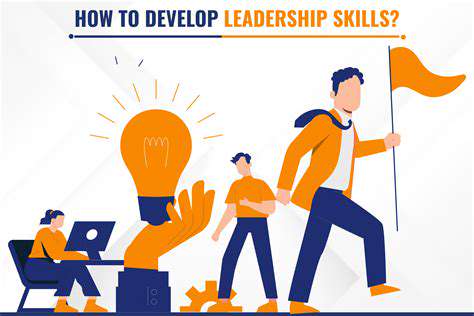
Developing strong leadership qualities is essential when transitioning to executive roles. Effective leaders cultivate team dynamics that promote creativity and productivity while ensuring that everyone is aligned with the organization's objectives. Active listening, empathy, and clear communication are critical traits to nurture in any team setting.
Additionally, fostering an inclusive culture where team members feel valued can lead to improved collaboration and innovation. Providing mentorship and support helps cultivate the next generation of leaders, ensuring a sustainable creative ecosystem within the organization.
The Power of Networking and Collaboration

Understanding Networking in Career Transition
Networking is more than just exchanging business cards; it's about building Genuine Relationships. It allows professionals to connect with others in their field, share experiences, and seek guidance. According to a survey by LinkedIn, around 85% of all jobs are filled through networking, highlighting its critical role in the job market.
When transitioning from an artistic role to an executive position, leveraging your existing network becomes even more crucial. Engaging with peers who understand your background can provide insights that are specific to your unique circumstances. This context-specific advice can be invaluable in navigating new terrain.
- Developing relationships can lead to mentorship opportunities.
- Industry contacts often share job leads and insights.
- Networking helps in identifying trends and shifts in the job market.
Collaboration as a Tool for Growth
Collaboration is essential in the professional world, especially for artists transitioning into leadership roles. Working with others not only broadens your perspective but also increases your skill set. In environments where teamwork is prioritized, innovation flourishes, often resulting in products or services that draw from diverse ideas and backgrounds.
Incorporating collaborative projects into your career strategy can also expand your portfolio. Such projects can demonstrate your ability to lead a team while embracing creativity—skills that are crucial for any executive role. Additionally, it helps build trust and credibility with your peers.
Nurturing Connections Beyond the Professional Sphere
Building a robust network isn't only about professional gains; Nurturing Personal Connections can also yield significant benefits. Sharing your journey and experiences as an artist might resonate with others who have encountered similar transitions. These dialogues foster a supportive community where individuals can share tips, challenges, and encouragement.
Participating in art exhibitions, local meetups, or online forums can help you meet new people who may become valuable contacts in the future. While these relationships may not have immediate professional benefits, they often lead to unexpected opportunities down the line.
Consider establishing a schedule for attending industry events or engaging with your network regularly to maintain these connections. Consistent communication is key to ensuring that your relationships remain strong and mutually beneficial.
Leveraging Social Media for Networking
In today’s digital age, social media platforms are increasingly important for networking. LinkedIn is particularly favored for professionals seeking to expand their connections. Regularly sharing content related to your expertise can help position you as a thought leader in your field. Engaging with others’ posts can also foster connections that go beyond mere acquaintances.
Twitter and Instagram can also be effective tools for artists transitioning to executive roles. Posting behind-the-scenes content or insights about your career can generate interest and attract followers who share similar ambitions or who work in related fields. Using social media strategically can lead to unexpected collaborations and networking opportunities.
Don’t hesitate to reach out to people whose work you admire. A simple comment or message can go a long way in initiating a conversation that may lead to impactful professional relationships.
Cultivating Leadership Skills and Personal Development

Understanding Leadership Styles
Leadership is not a one-size-fits-all trait. Different situations call for different styles, and understanding these can help you become a more effective leader. By identifying your Leadership style, you can tailor your approach to meet the needs of your team more effectively.
For instance, transformational leadership focuses on inspiring and motivating followers to innovate and create change. In contrast, transactional leadership revolves around clear structures and processes. Gaining insights into these styles can guide executives to choose the most effective approach for their specific challenges.
Enhancing Communication Skills
- Active listening techniques
- Clear articulation of ideas
- Non-verbal communication importance
Mastering effective communication is essential for transitioning from an artistic background to an executive role. It's not just about speaking well; it involves listening and understanding others. Active listening techniques can bridge communication gaps, making it easier to connect with different personalities. Ensuring that your ideas are articulated clearly can facilitate smoother project management and team collaboration.
Empowering Team Dynamics
Building strong team dynamics is crucial for an executive. A cohesive team drives productivity and creativity, aligning with the goals of the organization. To achieve this, leaders must focus on establishing trust and open communication among team members. This will foster a culture where everyone feels valued and empowered to contribute.
Encouraging frequent feedback is also vital, as it facilitates growth and improvement. When team members feel that their opinions are heard and respected, it boosts their morale and dedication to the organization’s goals.
Fostering Emotional Intelligence
Emotional intelligence (EI) is often cited as a cornerstone of effective leadership. It encompasses self-awareness, self-regulation, motivation, empathy, and social skills—all crucial for leading others effectively. In high-pressure environments, leaders with high EI can manage their emotions and respond judiciously to their team’s needs.
Moreover, developing your emotional intelligence can enhance workplace relationships. Since artists often invest personal feelings into their work, leveraging this emotional background can serve to strengthen connections within teams, thereby creating a supportive atmosphere.
Commitment to Lifelong Learning
The journey from artist to executive demands a commitment to lifelong learning. As industries evolve, new challenges will arise. Executives need to remain informed about industry trends, new technologies, and management tactics. Engaging in continuous education is one way to stay ahead.
Participating in workshops and networking events can provide fresh perspectives and enhance your expertise. Exploring online courses or certifications can also bolster your knowledge base, ensuring that you possess the current skills necessary to thrive in a leadership position.
Navigating Challenges: Overcoming Imposter Syndrome
Understanding Imposter Syndrome in Career Transitions
Imposter Syndrome is an internal experience of believing that you are not as competent as others perceive you to be. For artists transitioning into executive roles, this phenomenon is particularly common. According to research by Clance and Imes, nearly 70% of individuals experience this feeling at some point in their lives. This can lead to significant professional insecurity, impacting decision-making and overall job performance.
Many individuals from creative backgrounds struggle with this mindset due to the subjective nature of artistic success. Unlike in many corporate or executive roles, where success can be quantified through metrics, artists often rely on personal interpretation and emotional responses. As they navigate new corporate cultures, the lack of clear benchmarks can exacerbate feelings of inadequacy.
Identifying Triggers and Patterns
Recognizing the triggers that fuel imposter syndrome is essential for mitigating its effects. Common triggers may include receiving feedback, being introduced to new challenges, or comparing oneself to other successful executives. Keeping a journal can help track these feelings and identify specific patterns associated with them. For instance, after a presentation, you might feel overly critical of your performance, even when audience feedback is positive.
Furthermore, environments that favor high achievement can amplify feelings of self-doubt. Meetings dominated by confident discourse can lead an artist-turned-executive to question their input. Building self-awareness around these situations can empower individuals to build coping mechanisms and take ownership of their contributions, countering the overwhelming urge to discredit themselves.
Strategies for Overcoming Imposter Syndrome
Effective strategies include fostering a supportive network, seeking mentorship, and prioritizing self-compassion. Engaging with peers who share similar experiences can create a validating environment, reassuring individuals of their capabilities. Research by Kahn & Byars indicates that mentorship can provide critical perspectives that help to alleviate self-doubt.
Additionally, self-compassion practices, such as mindfulness meditation and positive affirmations, can help in shifting the narrative of self-doubt to one of acceptance and appreciation for growth. For example, reflecting on past successes can combat negative thoughts and reinforce a more balanced self-view.
Leveraging Your Unique Background
As an artist transitioning to an executive role, it's crucial to recognize the unique strengths you bring to the table. Your creative background can provide alternative problem-solving approaches and innovative thinking patterns that may not be present in traditional corporate pathways. Embrace your ability to see connections where others may not. This perspective can be a valuable asset in strategic planning and team dynamics.
One concrete way to leverage this uniqueness is by initiating projects that incorporate diverse artistic insights into the business model. This not only showcases your skills but also empowers your colleagues to appreciate the value of creative thinking within corporate environments. Establishing a reputation for innovation can gradually build your confidence and mitigate feelings of being an imposter.
The Role of Continuous Learning and Development
A commitment to lifelong learning is vital in overcoming imposter syndrome. By actively seeking to expand your skills and knowledge through workshops, courses, or networking events, you generate evidence that counters self-doubt. Data from LinkedIn Learning suggests that 87% of millennials value opportunities for continuous growth. Committing to personal development reinforces your capabilities and builds confidence in your new role.
Moreover, pursuing professional certifications relevant to your executive position can solidify your credibility. Being recognized as knowledgeable in your field empowers you both inside and outside of your organization. This tangible evidence of expertise can serve as a constant reminder that you are indeed qualified for your role.
Read more about Career Insights: Transitioning from Artist to Executive