Tech Innovations in Bio Tech and Genetic Engineering
Understanding CRISPR-Cas9 Technology
CRISPR-Cas9 is a groundbreaking tool derived from the immune systems of bacteria. It enables precise editing of DNA by targeting specific sequences, allowing scientists to modify genes with unprecedented accuracy. The process involves a guide RNA that directs the Cas9 enzyme to the intended DNA location, where it introduces breaks in the strand. This mechanism has opened up numerous avenues in genetic research and therapy.
One of the most significant advantages of CRISPR-Cas9 is its versatility. Researchers can easily adjust the guide RNA sequence to target different genes across diverse organisms. This adaptability makes it an invaluable resource for Genetic Engineering, agriculture, and even therapeutic development. The simplicity and efficiency of CRISPR-Cas9 contrast sharply with previous genetic manipulation techniques, which were often cumbersome and less precise.
Applications in Medicine
In the medical field, CRISPR-Cas9 is being explored for its potential in treating genetic disorders such as cystic fibrosis and sickle cell anemia. By correcting mutations at the genomic level, this technology offers the promise of permanent solutions rather than temporary fixes. For instance, a clinical trial in 2020 demonstrated significant success in utilizing CRISPR to treat sickle cell disease, marking a new frontier in Personalized Medicine.
Researchers are also investigating CRISPR's capabilities in cancer therapy, where it could be used to modify immune cells to better target tumor cells. The ability to harness the body's immune response against cancer represents a revolutionary shift in oncological treatments, potentially leading to more effective and less invasive options for patients.
Ethical Considerations in Genetic Editing
As with any powerful technology, CRISPR-Cas9 raises significant ethical questions. The ability to edit genes in humans leads to concerns about unintended consequences, such as off-target effects that could inadvertently alter other critical genes. Furthermore, the prospect of editing germline cells provokes moral debates around the potential for “designer babies,” where genetic enhancements could exacerbate social inequalities.
Regulatory bodies worldwide are grappling with how to govern these advancements. Clear guidelines are necessary to ensure safety while promoting innovation. Engaging interdisciplinary dialogues among scientists, ethicists, and policymakers is critical to developing a framework that addresses both ethical concerns and the pursuit of scientific progress.
Impacts on Agriculture
The agricultural sector is another area experiencing immense transformation due to CRISPR-Cas9 technology. Crops can now be genetically modified to enhance traits such as yield, pest resistance, and drought tolerance. This is particularly crucial in combating food insecurity as the global population continues to rise.
For example, scientists have used CRISPR to create gene-edited varieties of rice that require less water, which is particularly beneficial in regions facing water scarcity. Such innovations are paving the way for sustainable farming practices that meet contemporary challenges while minimizing environmental impact.
Future Directions in Genetic Engineering
The future of genetic engineering looks promising with the ongoing refinement of CRISPR technology. Researchers are exploring advanced CRISPR variations, such as CRISPR-Cas12 and CRISPR-Cas13, which might offer even greater precision and multifunctional capabilities. These developments may lead to a new wave of genetic modifications that were previously deemed too complex or risky.
Moreover, integrating CRISPR with other technologies like Synthetic biology and machine learning could enhance its efficacy. These combined approaches could enable predictive genetic engineering, where scientists foresee the outcomes of specific edits, potentially revolutionizing both research and therapeutic applications.
Conclusion: The Path Ahead
As we move forward, the implications of CRISPR-Cas9 will be felt across industries and disciplines. Keeping pace with its advancements will require ongoing education, research, and public discussion to ensure responsible application. The balance between innovation and ethical principles will be paramount as we explore the full range of capabilities that CRISPR-Cas9 offers, guiding us towards a future where genetic editing becomes an integral part of our scientific landscape.
Synthetic Biology: Redesigning Life
Overview of Synthetic Biology
Synthetic biology is an interdisciplinary field that merges principles of biology and engineering. This innovative domain aims to design and construct new biological parts, devices, and systems or to redesign existing biological systems for useful purposes.
The field has evolved significantly since the early 2000s, with advancements in CRISPR technology and DNA synthesis. As of 2023, researchers have begun synthesizing entire genomes, highlighting the technical capabilities and potential for synthetic biology to influence healthcare, agriculture, and energy sectors.
Applications in Medicine
One of the most exciting applications of synthetic biology is in the realm of medicine. Through gene editing and engineered organisms, scientists are working on new therapies for genetic disorders, enhancing vaccine development, and even creating tailored treatments for specific patients. For example, a personalized cancer vaccine has shown promise in clinical trials, utilizing a patient’s own tumor cells to develop a targeted immune response.
Research from MIT shows that engineered bacteria could deliver drugs directly to tumors, minimizing side effects and increasing treatment efficacy. These innovations illustrate how synthetic biology could revolutionize traditional medical approaches and personalize patient care.
Moreover, developments in synthetic biology are vital for tackling antibiotic resistance. By creating new antibiotics through synthetic pathways, researchers aim to combat pathogens that have become resistant to current medications.
Environmental Applications and Sustainability
Synthetic biology also plays a crucial role in environmental sustainability. By engineering microorganisms to break down pollutants or produce biofuels, researchers are paving the way for more sustainable industrial processes. For example, scientists have developed synthetic pathways in algae to produce biofuels, which could provide a cleaner alternative to fossil fuels.
The potential of synthetic organisms to convert waste materials into valuable products has opened doors for circular economy practices. Projects like engineered microbes that consume plastic waste for energy highlight the transformative potential of this technology. Such applications not only mitigate pollution but also contribute to resource conservation.
Ethical Considerations and Regulations
As synthetic biology advances, it brings forth a spectrum of ethical concerns that must be addressed responsibly. Questions surrounding biosecurity and the potential for unintended consequences from engineered organisms pose significant challenges. The ability to manipulate genetic material raises issues about the responsible use of power, particularly concerning dual-use research that could lead to harmful applications.
Regulatory frameworks are evolving to keep pace with these advancements, yet many scientists advocate for a proactive approach to biotechnology governance. Advocacy for transparent dialogue among scientists, ethicists, and policymakers is essential to establish safe practices and public trust in synthetic biology.
The Future of Synthetic Biology
Looking forward, the field of synthetic biology is expected to broaden its impact across various industries. With rapid advancements in gene editing tools, such as CRISPR-based technologies, and the decreasing costs of DNA synthesis, the barriers to entry for researchers are lowering. This democratization of technology could lead to accelerated innovation across academic, commercial, and nonprofit sectors.
Moreover, as public awareness increases, there will likely be greater collaboration between scientists and the general public, resulting in more informed discussions around synthetic biology’s applications and implications. As we navigate this exciting frontier, it is crucial to balance innovation with ethical considerations and regulatory measures to ensure a beneficial outcome for society as a whole.
Personalized Medicine: Tailoring Treatments to Individuals
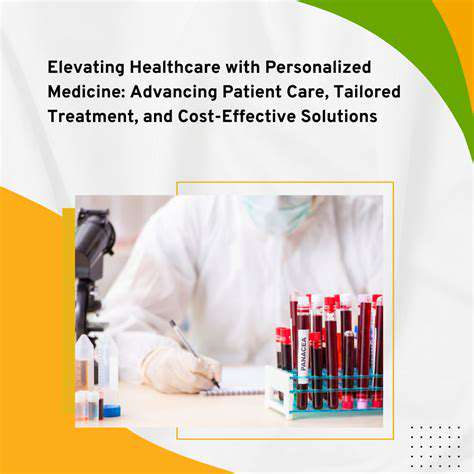
Understanding Personalized Medicine
Personalized medicine involves customizing healthcare based on individual characteristics, including genetic, environmental, and lifestyle factors. This approach leads to more effective treatments compared to traditional one-size-fits-all methods.
According to a 2021 study published in the Journal of Personalized Medicine, it was found that 60% of patients experienced improved health outcomes when treated with personalized therapies as opposed to standard treatments. This statistic is a testament to the potential benefits and effectiveness that personalized medicine holds for patients with varying conditions.
The Role of Genetic Engineering
Genetic engineering plays a critical role in personalized medicine. By modifying an individual’s DNA, healthcare providers can tailor treatments that target specific genetic markers associated with certain diseases. For instance, gene therapy is being researched as a way to correct or replace defective genes that contribute to various conditions.
- Gene therapies address genetic mutations responsible for diseases.
- Precision oncology utilizes genetic profiling to develop targeted treatments.
- Biologic drugs are engineered to suit individual responses at the molecular level.
This intersection of biotechnology and genetic science not only enhances treatment efficacy but also minimizes adverse effects, making therapies safer for patients.
Technological Innovations Enabling Personalized Approaches
Several advanced technologies are propelling the field of personalized medicine forward. Tools such as CRISPR and next-generation sequencing (NGS) allow researchers to manipulate genes with a high degree of accuracy. These technologies facilitate the identification of specific traits and predispositions within an individual’s genome.
Additionally, data analytics and artificial intelligence (AI) are revolutionizing the way healthcare providers interpret genetic data. By reading vast datasets, AI can uncover patterns that may not be noticeable to human researchers, enhancing the ability to devise personalized treatment plans.
This technological revolution not only improves treatment outcomes but also opens avenues for new drug discoveries and enhanced diagnostic procedures.
The Future of Personalized Medicine
Looking ahead, the potential of personalized medicine appears promising. As genetic research continues to advance, we can expect more refined solutions for complex diseases such as cancer, diabetes, and heart disease. The integration of electronic health records with genetic data can lead to more precise diagnoses and individualized treatment strategies.
However, there are challenges, including ethical considerations around genetic data privacy and the need for regulatory frameworks to ensure safety and efficacy. Overcoming these obstacles will be crucial for the widespread adoption of personalized approaches.
In conclusion, it is evident that personalized medicine, aided by ongoing Technological innovations in biotech and genetic engineering, stands ready to transform healthcare. The focus on tailored treatments not only enhances patient care but also signifies a shift towards a more proactive and preventive approach in medicine.
Bioprinting: The Future of Tissue Engineering
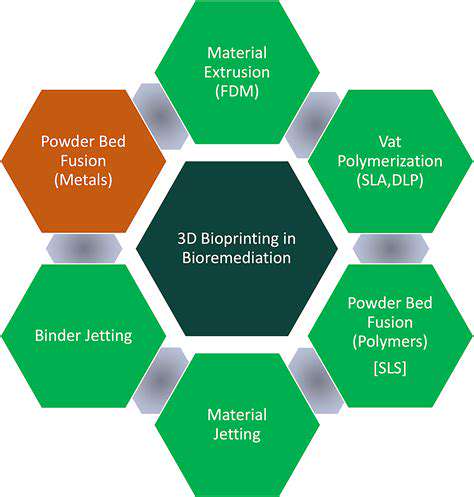
Understanding Bioprinting Technologies
Bioprinting employs various techniques to create 3D structures of biological tissues. The most widely used methods include extrusion-based bioprinting, inkjet bioprinting, and laser-assisted bioprinting. Each of these techniques offers unique advantages and disadvantages that influence their application in tissue engineering.
Extrusion-based bioprinting is predominant in the field due to its precision and versatility. By leveraging a continuous flow of bio-inks, which are mixtures of living cells and biomaterials, this method enables the creation of complex tissue architectures. It is essential to study the rheological properties of the bio-ink in order to ensure successful printing.
Inkjet bioprinting, on the other hand, relies on the precise deposition of droplets, making it suitable for applications requiring high-resolution patterns. This technology can facilitate the creation of multicellular tissues by allowing control over cell placement. The adaptability of this technique is its primary strength, as it can be easily modified for different bio-inks.
Applications in Healthcare
- Regenerative medicine: Repair or replace damaged tissues.
- Drug testing: Create more accurate human tissue models.
- Personalized medicine: Tailor treatments based on individual cellular profiles.
In healthcare, bioprinting has opened unprecedented avenues, particularly in Regenerative Medicine. Engineers can produce tissue constructs that closely mimic natural tissues, which can be used for transplant purposes or to replace lost functionality in injured areas. For instance, skin grafts made through bioprinting have shown promise in treating extensive burn injuries.
Additionally, bioprinting plays a crucial role in drug testing. Traditional methods often rely on animal models, which may not accurately mimic human responses. By utilizing human tissue models created via bioprinting, researchers can achieve more reliable results, speeding up the development of new drugs and therapies.
Materials Used in Bioprinting
The choice of bio-inks is fundamental to the success of bioprinting. These materials must be biocompatible, biodegradable, and capable of supporting cellular functionalities. Hydrogel-based bio-inks are among the most popular due to their ability to mimic the extracellular matrix, allowing cells to thrive and function properly.
Interestingly, innovations in bio-ink formulation have led to the incorporation of nanomaterials that can enhance the mechanical properties of printed tissues. For example, the addition of graphene or other nanoparticles has shown to improve the tensile strength and stability of constructs, making them more viable for clinical applications. Researchers continue to experiment to find optimal compositions that maintain cellular viability.
Challenges Facing Bioprinting
Despite its promise, bioprinting faces several challenges. Ensuring cell viability after the printing process is a significant hurdle, as cells can experience stress during the bioprinting procedure. This can lead to decreased functionality and poor integration with existing tissues, limiting the efficacy of bioprinted constructs.
Moreover, scaling up the production processes while maintaining consistency and quality is another critical challenge. Current techniques can be labor-intensive and time-consuming, making it difficult to produce large quantities of tissue constructs quickly. As a possible solution, automation and advanced robotics may offer pathways to improve efficiency in tissue production, thus accelerating the application of bioprinting in clinical settings.
Future Perspectives in Bioprinting
Looking ahead, bioprinting holds the potential to revolutionize personalized medicine. With advancements in genomics and proteomics, it may soon be possible to create tailored tissues that are genetically compatible with individual patients. This development could significantly reduce the risk of rejection in transplants and enhance overall treatment outcomes.
Moreover, ongoing research aims to integrate bioprinting with organ-on-a-chip technologies, providing in vitro modeling environments that can simulate organ functions accurately. This combined approach could enable pharmaceuticals to test drug interventions on bioprinted tissues in a controlled setting, refining the pathway to drug discovery.
Conclusion
In conclusion, bioprinting is a rapidly evolving field that holds immense potential to redefine how we approach tissue engineering and regeneration. As researchers continue to overcome the current challenges, the integration of bioprinting in clinical applications will likely pave the way for groundbreaking advancements in health care.
Investing in this technology with tailored research and government support will undoubtedly accelerate developments. Continued collaboration among scientists, clinicians, and industry leaders is essential in turning bioprinting from a promising concept into a practical reality that can transform lives.
Smart Agriculture: Enhancing Crop Resilience
Understanding Crop Resilience in Smart Agriculture
Crop resilience refers to the ability of plants to withstand adverse conditions, such as drought, disease, and pests. In smart agriculture, leveraging technology to enhance these traits is essential. Recent studies, including a comprehensive report from the Food and Agriculture Organization, emphasize that resilient crops can significantly reduce yield losses, thereby ensuring food security.
The genetic modification of crops has been a key process in developing strain resilience. For example, genetically engineered corn varieties have shown increased resistance to the European corn borer, a common pest that affects yields. Such advancements are crucial as they help farmers achieve better outcomes even in challenging conditions.
Technological Innovations for Enhanced Yields
Various technologies are revolutionizing the agricultural sector, particularly in terms of improving crop yields. Remote sensing technology, which employs drones and satellites, allows farmers to monitor crop health in real-time. This data-driven approach enables the timely application of water or fertilizer right where it's needed, optimizing resources.
Additionally, precision agriculture tools such as soil moisture sensors and weather forecasting systems provide crucial information to farmers, ensuring informed decision-making. Reports indicate that farms implementing these technologies can see up to a 20% increase in yields, which translates to better economic viability.
Genetic Engineering and Biotechnology Applications
Biotechnology and genetic engineering play significant roles in modern crop development. By utilizing CRISPR and other genome-editing techniques, researchers can introduce specific traits into crops, such as drought resistance or enhanced nutritional profiles. For instance, scientists have successfully developed biofortified rice variants that are rich in Vitamin A, addressing malnutrition in certain populations.
The application of biotechnology not only improves nutritional content but also enhances the sustainability of farming practices. Citing a report from the International Service for the Acquisition of Agri-biotech Applications, adoption of genetically modified crops has led to reductions in pesticide use and lower environmental impact, which benefits both the ecosystem and the economy.
Integrated Pest Management (IPM) Techniques
Smart agriculture also embraces Integrated Pest Management (IPM) strategies that combine biological and technological interventions. For example, using beneficial insects alongside data analytics can effectively manage pest populations. This collaborative approach mitigates chemical pesticide reliance, reducing potential health risks to both consumers and farmers.
Research demonstrates that farms utilizing IPM strategies enjoy a more sustainable yield while promoting ecological balance. The benefits of this integrated approach are clear, as it not only improves profitability but also addresses pressing environmental challenges, supporting a broader agenda of sustainable agriculture.
Data Analytics and Decision-Making
Data analytics is fast becoming a cornerstone of smart agriculture, providing farmers with actionable insights to boost crop resilience. Platforms that aggregate data from various sources allow farmers to analyze soil health, weather patterns, and market trends, thereby improving their decision-making processes. Having access to this data enables smarter investments in seeds and inputs, which can enhance productivity.
Additionally, predictive analytics can forecast potential challenges, such as pest invasions or disease outbreaks. Studies indicate that early detection can reduce potential crop losses by as much as 30%, emphasizing the vital role of technology in proactive farm management. Farmers equipped with such tools are increasingly able to respond effectively to unforeseen circumstances.
Climate Change and Agricultural Adaptation
Climate change poses significant challenges to agriculture, making crop resilience more crucial than ever. As global temperatures rise, the need for drought-tolerant and heat-resistant varieties is becoming evident. Breeding programs that focus on these traits are essential to ensure that crops can thrive under changing climatic conditions.
Innovative solutions, such as climate-smart agriculture (CSA), are being developed to address these challenges. CSA focuses on sustainable practices and technologies that not only improve productivity but also adapt to climate change impacts. Engaging farmers in these practices not only benefits their operations but also contributes to wider environmental goals.
Future Trends in Smart Agriculture
As we look to the future, the evolution of smart agriculture will be marked by advancements in artificial intelligence and machine learning. These technologies have the potential to revolutionize crop monitoring and yield prediction through sophisticated algorithms. Predictive models can help farmers anticipate challenges before they arise, allowing for a proactive approach rather than a reactive one.
The convergence of biotechnologies with smart farming practices promises to reshape the agricultural landscape. Innovations in vertical farming, urban agriculture, and biopharmaceutical crops are on the horizon. These trends signal a thrilling future in food production, ensuring that agriculture stays resilient in the face of a rapidly changing world.
Read more about Tech Innovations in Bio Tech and Genetic Engineering









Hot Recommendations
- Trace Adkins: Country Music Star, Latest Hits & Fan Reactions
- OKC Thunder: Team Analysis, Season Trends, and Future Outlook
- Ivica Zubac: NBA Career Highlights, Stats & Future Potential
- Shaka Smart: Coaching Strategies, Career Highlights, and Impact on College Basketball
- 1923 Season 2 Episode 4: Deep Dive into Plot Twists and Character Development
- TR Knight: Music Career, Band History, and Latest Releases
- NVIDIA GTC 2025: Tech Innovations, Conference Highlights & Industry Trends
- Canucks vs Blues: NHL Rivalry Breakdown, Game Preview, and Predictions
- St. Francis Basketball: Season Recap, Standout Players & Future Outlook
- Cruz Azul vs Atl. San Luis: Match Analysis, Key Moments & Tactical Breakdown