Player Health
Performance Enhancement
NBA
Player Development
Athletes
Recovery
Nutrition
Mentorship

NBA Player Longevity: How Veterans Stay Competitive

The Key to Durability

Understanding the Importance of Physical Conditioning

Physical Conditioning is not merely a routine for NBA players; it serves as a vital foundation for long-term sustainability in the league. Research shows that players in peak physical condition can significantly reduce the risk of injury and enhance their performance during games. This is crucial, as longevity in the NBA often hinges on how well a player takes care of their body over time.

Moreover, a strong conditioning program allows players to maintain their competitive edge. A study by the National Strength and Conditioning Association highlights how improved cardiovascular fitness can significantly enhance a player's endurance, enabling them to perform at higher levels during critical moments in a game. Therefore, conditioning should be recognized as a key strategy for longevity in the sport.

Components of Effective Conditioning Regimens

Successful conditioning programs encompass a myriad of components, each essential for optimal performance. Strength training, flexibility workouts, and cardiovascular exercises are pivotal in establishing a well-rounded fitness routine. For example, strength training enhances muscle mass and joint stability, which is particularly beneficial for older players looking to prolong their careers.

Additionally, flexibility exercises, such as yoga or dynamic stretching, improve range of motion and can prevent injuries. The NBA strongly encourages players to incorporate these aspects into their routines, reflecting the league’s commitment to player health and performance.

Nutrition as a Crucial Factor in Conditioning

Athletic performance isn't only about physical workouts but also hinges on proper nutrition. NBA players need to consume a balanced diet rich in proteins, carbohydrates, and healthy fats to fuel their rigorous training. For instance, a player might follow a regimen that includes lean proteins like chicken or fish, whole grains for energy, and various fruits and vegetables for essential vitamins and minerals.

Furthermore, hydration plays a critical role in maintaining peak performance levels. Studies indicate that even mild dehydration can negatively impact a player's strength and endurance. Thus, a well-structured nutrition plan that ensures adequate hydration is vital for sustaining the demands of an NBA season.

Veterans understand how to balance these dietary components effectively, incorporating game day meals that optimize performance while aiding recovery.

Recovery: The Backbone of Longevity

Recovery strategies are an integral part of any physical conditioning program. Practices such as ice baths, massages, and adequate sleep are crucial for muscle repair and overall physical well-being. Research from the Journal of Sports Sciences emphasizes that recovery not only aids in physical repair but also plays a role in mental focus and readiness for subsequent games.

Veteran players often integrate active recovery sessions into their routines, which might include light stretching or low-intensity cardio. This helps in promoting blood flow and reducing soreness. The significance of recovery cannot be overstated; it allows players to bounce back quickly from intense game schedules and remain competitive over the long haul.

Adapting Conditioning Programs to Individual Needs

Every player has unique physical attributes and conditioning requirements. This individualization is vital for maximizing performance while minimizing the risk of injury. Age, position, and playing style all factor into how a player should structure their conditioning. For example, guards may focus more on speed and agility, while forwards might prioritize strength and endurance.

Veterans often consult with trainers to tailor their conditioning programs, ensuring they address personal pain points or areas requiring improvement. A personalized approach not only enhances performance but also contributes to a player's longevity in the highly competitive world of the NBA. Continuous assessment and adaptation of training regimens reflect a player's commitment to longevity and peak performance.

Adapting Skills and Roles

Understanding the Evolution of Skills

NBA players often undergo significant changes in their skill set as they age. As speed and agility decline, veterans learn to capitalize on their experience by refining techniques that keep them competitive. A study from the Journal of Sports Science indicates that older athletes can adjust their game, compensating for lost athleticism with enhanced strategic acumen.

For example, players might develop a stronger perimeter shooting ability, embracing modern analytics that emphasize three-point efficiency. This shift not only aligns with league trends but also enhances their overall contribution on the court, ensuring that they remain valuable assets to their teams even as physical attributes change.

Role Adaptation Within Team Dynamics

As players age, their roles on the team often evolve significantly. Many veterans transition from primary scorers to mentors or role players who contribute in different ways. The ability to embrace such changes can be crucial for longevity in the league. Research from the NBA's Player Association highlights that players who adapt their roles tend to extend their careers by 1-3 years, on average.

This positive adjustment is particularly evident in historically high-profile players like LeBron James and Chris Paul, who have shifted their playing style over the years to accommodate not only personal changes but also evolving team needs.

Moreover, fostering leadership qualities helps maintain a positive locker room environment, which is invaluable for team cohesion and performance, ultimately benefiting the younger members of the squad.

Physical Conditioning and Recovery Techniques

To maintain top performance levels, veterans employ rigorous physical conditioning and advanced recovery techniques. A combination of strength training, flexibility exercises, and proper nutrition becomes vital. According to the CDC’s guidelines on physical activity, maintaining muscle mass becomes a priority to ensure that veterans can effectively compete against younger opponents.

Recovery methods have also progressed significantly, with many players incorporating practices like cryotherapy, massage therapy, and even meditation into their routines. For instance, focused flexibility routines can help reduce the risk of injuries by maintaining joint health, which is critical as players advance in age.

Leveraging Experience for Game Strategy

Veteran players often have a unique understanding of game strategy, which can significantly influence their teams' performance. Their knowledge accumulated over years in the league allows them to make smarter decisions on the court. According to Harvard University's Sports Science Initiative, experienced players can anticipate opponents' movements and adjust their defensive tactics, often outsmarting younger, more physically gifted players.

Furthermore, utilizing video analysis of games enables veterans to review and adjust their strategies continuously. This analytical approach helps them stay ahead of the competition, maximizing their impact beyond physical capabilities.

In essence, experience becomes a critical asset, serving as a knowledge base that can elevate the whole team’s gameplay.

Utilizing Technology and Analytics

The lifecycle of a basketball player's career is significantly influenced by the incorporation of technology and data analytics. NBA teams increasingly rely on data analytics to optimize player performance, recovery times, and in-game strategies. For veterans, embracing these tools can foster an adaptive mindset necessary for longevity in the league.

Studies show that players who actively engage with performance-tracking technologies, such as wearable fitness trackers, can gain insights into their conditioning and fatigue levels. This proactive approach ultimately encourages smarter training regimens that cater to their evolving physical landscapes.

Moreover, analytics can help veterans identify areas for improvement, such as shooting efficiency or defensive positioning, allowing them to make targeted changes to their game rather than relying solely on intuition. In a sport where every detail matters, leveraging technology is a game-changer for sustaining competitive prowess.

The Importance of Mental Toughness

Mental Toughness Defined

Mental Toughness encompasses the ability to remain focused, resilient, and unwavering in the face of adversity. For NBA players, this characteristic is essential to navigate the pressures of high-stakes games, strict training regimens, and the inevitable challenges that arise throughout a long season.

Research has shown that athletes who possess strong mental toughness are often better equipped to handle stress and perform optimally under pressure. A study published in the Journal of Sports Sciences emphasizes that Psychological Resilience plays a key role in improving performance metrics among elite athletes.

Building Mental Toughness

Developing mental toughness requires consistent effort and practice, much like physical training. NBA veterans often utilize various techniques, such as visualization and goal setting, to strengthen their psychological endurance. Many utilize pre-game routines that include mindfulness exercises, which have been shown to enhance focus.

Another effective approach is fostering a positive self-talk habit. Encouraging internal dialogue can help players stay motivated and confident, particularly when performance dips occur. According to data from the Association for Applied Sport Psychology, athletes who engage in positive self-affirmation demonstrate greater resilience during competitions.

In this regard, mentorship also plays a significant role. Younger players can learn from seasoned veterans who share their experiences, providing invaluable insights into handling pressure and maintaining a competitive edge. This transfer of knowledge not only fortifies mental toughness but also strengthens team dynamics.

The Impact of Mental Toughness on Longevity

For NBA players, mental toughness is directly correlated with longevity in the league. Veterans typically have a more refined ability to manage their emotions and reactions, which can prolong their careers. A report from the NBA shows that players who maintain a strong psychological foundation often play significantly longer than their peers.

Moreover, mental toughness contributes to better decision-making during critical game situations. This enhanced judgment, paired with experience, can often lead to smarter plays that uphold not just individual statistics but overall team success. In fact, many analysts point to the late-game strategies employed by seasoned players as pivotal to winning championships.

Ultimately, fostering mental toughness isn't just beneficial for individual performance; it impacts the culture of the entire team. Organizations that prioritize psychological training and resilience can cultivate an environment where every player thrives, thus improving overall productivity and success rates in high-pressure moments.

Emphasizing Recovery and Health Management

EmphasizingRecoveryandHealthManagement

Understanding the Importance of Recovery

Recovery is a critical component in the regimen of any professional athlete, especially in the NBA. The intensity of the game requires players to manage physical stress properly to prolong their careers. Statistics show that players who Prioritize Recovery tend to have longer careers and higher performance levels. Successful recovery programs involve multiple strategies, including sleep, nutrition, and active recovery techniques.

Advanced Nutrition for Longevity

Nutrition plays an integral role in an athlete’s recovery journey. Many veterans consult with dietitians to optimize their meal plans, focusing on anti-inflammatory foods and proper hydration strategies. For instance, incorporating omega-3 fatty acids and antioxidants can help mitigate muscle soreness and promote quicker recovery times. Studies suggest that these dietary choices can enhance performance and significantly reduce the risk of injury over time.

Moreover, meticulous attention to macronutrient balance can help players maintain their optimal energy levels throughout the demanding NBA season.

Technology in Recovery Practices

The advent of technology has revolutionized recovery practices for veteran players. Wearable devices track metrics such as heart rate variability, sleep quality, and overall physical strain. With insights from these tools, athletes can make informed decisions about their training regimens and recovery periods. This data-driven approach enables tailored recovery strategies that cater specifically to an individual’s needs and performance metrics.

For instance, NBA teams often use platforms that quantify player fatigue and readiness, allowing coaches to adjust workloads and minimize injury risks.

The Role of Mental Health

Mental well-being is just as vital as physical health in an athlete's longevity. Many seasoned NBA players engage in mindfulness practices and counseling to cope with the mental strains of competition. This focus on mental health has been shown to improve focus, resilience, and overall performance on the court.

Veterans often lead by example, promoting Mental Health Awareness and encouraging younger players to seek help when needed. This cultural shift within the NBA is essential for fostering a supportive environment.

Strength Training and Conditioning

A comprehensive strength training program is essential for NBA players to maintain their physical capabilities as they age. Many veterans implement customized strength and conditioning programs that cater to their specific needs while minimizing the risk of injury. Research supports the idea that strength training, when done appropriately, not only extends an athlete's career but also enhances performance.

  • Focusing on core stability can prevent injuries and improve overall functionality.
  • Incorporating flexibility exercises is crucial for maintaining joint health.
  • Periodized training cycles help adapt to the physical demands of the season, balancing strength gains with endurance.

Restorative Therapies

Restorative therapies such as massage, cryotherapy, and acupuncture have become standard practices for NBA veterans. These therapies contribute significantly to muscle recovery and stress relief, both of which are essential for maintaining competitive edge. Players often swear by therapeutic techniques that aid in pain management and enhance mobility. The integration of such therapies into daily routines illustrates a broader understanding of recovery as not just a luxury but a necessity.

Moreover, sharing these practices within team cultures helps establish a collective commitment to health that benefits the entire roster.

Balancing Playing Time and Practice

As players age, finding the right balance between practice and game time becomes more critical. Coaches and veterans often collaborate on customizing practice schedules that allow players to preserve their bodies while still honing skills. This can include reducing the intensity of certain drills or integrating more recovery-focused sessions. By recognizing the importance of load management, seasoned players can maintain their performance levels effectively.

Additionally, veterans often take on mentoring roles, helping younger teammates learn the importance of listening to their bodies and managing their energy effectively throughout the season.

Building a Support Network
BuildingaSupportNetwork

Importance of Mentorship in Player Development

  • Mentorship encourages knowledge transfer from experienced players to younger teammates.
  • Veteran players often provide essential advice on maintaining physical and mental health.
  • A strong mentor-mentee relationship can significantly influence a player's career trajectory.

Having a mentor in the NBA can make a substantial difference in how younger players adapt to the league. Mentorship encourages knowledge transfer from seasoned veterans who have experienced the rigors of professional basketball. These relationships often result in younger players developing not just their on-court skills but also vital off-court habits. For instance, players like LeBron James are known for taking emerging talent under their wing, helping them avoid pitfalls and maximize their potential.

Moreover, mentorship provides insight into maintaining long-term health and performance. Veteran players often provide essential advice on maintaining physical and mental health, which is crucial for sustaining a competitive edge over time. By fostering these relationships, the NBA creates a culture of continuous learning and improvement.

Creating a Team-Centric Environment

Another critical aspect of building a support network is developing a team-centric environment. When players feel supported not only by their coaches but also by their teammates, they are more likely to perform at their best. This supportive atmosphere can lead to increased camaraderie and a shared sense of responsibility on the court. Teams with a genuine culture of encouragement often see better performance metrics and enhanced player longevity.

Collaboration is key to a successful and enduring career in the NBA. Players who actively engage with their teammates and build trust are better equipped to navigate the challenges of a long season. Research indicates that teams with a solid support system outperform their counterparts, showcasing that a harmonious environment contributes significantly to player satisfaction and retention.

Read more about NBA Player Longevity: How Veterans Stay Competitive

Key Matchups to Watch in Michigan Basketball 2025As the 2025 Michigan basketball season approaches, the excitement is palpable. This year, key matchups are poised to play a crucial role in determining the team’s success. Here’s an in-depth look at what fans and analysts can expect. Point Guards BattleThe point guard position is vital for Michigan, featuring remarkable talents such as Jaden Ivey and Frankie Collins. Both players are known for their playmaking skills, helping to shape the team dynamic. With Ivey averaging over 15 points per game last season, expect intense competition as these guards aim to dominate the court and elevate the team’s performance. Front Court Strength: Analyzing ForwardsMichigan's front court is a powerhouse with athletes like Caleb Houstan, whose shooting precision has improved significantly. The depth in the forward positions, along with players like Brandon Johns Jr. and Zeb Jackson, gives the team a tactical edge, allowing Coach Juwan Howard to tailor lineups based on opponent strengths. Defensive Matchup: Big Men ShowdownKey defensive matchups among big men like Mo Wagner and Hunter Dickinson will be crucial for controlling the paint. Their ability to secure defensive rebounds and block shots can shift momentum during tight games. Opposing teams will need to devise strategies to neutralize Dickinson’s impact while exploiting weaknesses on the perimeter. Bench Depth: The Game-Changing FactorMichigan's bench depth may be a game-changer this season. Young talents such as Terrance Williams are stepping up, and their performance will be critical, especially in high-stakes games. This depth allows the team to maintain intensity and performance levels throughout contests. Scouting Reports: Understanding OpponentsA key to success will be Michigan’s commitment to detailed scouting and analytics. By analyzing opponents’ strategies and tendencies, the coaching staff aims to equip players with the knowledge to adapt during games, significantly improving preparation and execution. Season Outlook: Predictions and ExpectationsFans have high expectations for Michigan's 2025 season, with hopes of a deep NCAA tournament run. The blend of seasoned veterans and energetic newcomers positions the Wolverines as serious contenders for both the Big Ten title and a strong postseason performance. With effective coaching that fosters individual talent and teamwork, the pathway to success looks promising. Player Spotlights: Emerging TalentsEmerging talents like guard Alex Thompson and center Jake Reynolds are making waves this season. With impressive stats and potential for growth, they may become cornerstones of the Michigan program. Their ongoing development under a robust coaching system is vital for future success. Tactical Approach: Coaching PhilosophyCentral to Michigan's strategy is a defined coaching philosophy promoting discipline, teamwork, and adaptability. The coaching staff emphasizes defensive versatility and an efficient, fast-paced offense, ensuring the team is well-prepared for various opponents. Challenges AheadDespite a promising roster, Michigan faces challenges in a competitive Big Ten landscape. Sliding into a new, faster style of play will require teamwork and communication as the squad adapts throughout the season. Fan Engagement and SupportFan engagement is crucial for the Michigan basketball program. Enhanced game-day experiences and community activities are designed to strengthen ties between players and supporters, creating a vibrant atmosphere at the Crisler Center. Season Predictions and GoalsWith ambitious goals set for a top-four finish in the Big Ten and aspirations for NCAA tournament success, the upcoming season holds great potential for the Wolverines, driven by teamwork, strategic coaching, and passionate fan support.By focusing on these key matchups and utilizing their strengths effectively, Michigan basketball is poised for an exciting season ahead.
Mar 22, 2025
A Legacy of Development and Team Culture IntroductionEddie Jordan, a name synonymous with innovative coaching in the NBA, has made remarkable contributions to basketball throughout his career. From his early days as an assistant coach to becoming the head coach of the Washington Wizards, Jordan's philosophy of player development and teamwork has left a lasting mark on the sport. Early Coaching ExperienceJordan's journey began at Rutgers University, where he served as an assistant coach. Transitioning to the NBA, he joined the Washington Wizards, where he honed his skills in player development and team strategy. His early experiences shaped his commitment to fostering a strong team culture and enhancing players' understanding of the game. Washington Wizards TenureIn 2003, Jordan took the helm of the Wizards, leading them to multiple playoff appearances. His dynamic coaching style, which focused on a fast-paced offense, spotlighted players like Gilbert Arenas and Antawn Jamison. Jordan's emphasis on teamwork and player ownership transformed the Wizards into a competitive force in the Eastern Conference. Impact on Player DevelopmentOne of Jordan's standout qualities is his ability to develop young talent. Under his guidance, players like Kwame Brown and Andray Blatche flourished, showcasing significant improvements in their skills. Jordan's personalized coaching methods allowed players to express themselves and take risks, fostering growth and confidence. Coaching PhilosophyJordan’s coaching philosophy is built on discipline, teamwork, and mutual respect. He emphasizes the importance of communication between players and coaching staff, creating an environment where all team members feel valued. His approach encourages a fluid offensive system, granting players the freedom to make quick decisions on the court. Legacy and InfluenceJordan's legacy extends beyond win-loss records; he has inspired countless aspiring coaches and players. His player-centered coaching strategies have contributed to a transformative shift in the league towards more analytical and empathetic coaching. Many current coaches attribute their philosophy to his influence, demonstrating Jordan's far-reaching impact on basketball. ConclusionEddie Jordan’s career is marked by adaptability, resilience, and an unwavering passion for the game. His coaching style and principles continue to resonate within the league, influencing future generations of coaches and players. As the NBA evolves, Jordan's contributions will undoubtedly remain a foundation for effective coaching, ensuring that his legacy endures for years to come.In summary, Eddie Jordan is more than just a coach; he is a mentor who dedicated his life to developing talent and fostering a culture of success. His unique insights and approaches have transformed the game of basketball, shaping not only the players he coached but also the very essence of the coaching profession.
Mar 22, 2025
Strengths, Weaknesses, and Future Prospects OverviewThe Houston basketball team's performance this season has been a blend of thrilling victories and challenges that highlight both their strengths and weaknesses. With an average of 115 points per game, their offense is dynamic, showcasing diverse scoring options led by standout players like Jalen Green. Despite these offensive feats, the team's defense faces criticisms, particularly with high points allowed per game and rebounding issues. Team Strengths: Offense and Bench DepthHouston's offense thrives on fast breaks and excellent ball movement, ranking in the top ten for assists. The contributions from role players, such as Kevin Porter Jr. and Alperen Şengün, further bolster the team’s ability to compete during challenging moments. The depth of the bench provides essential support, which has been evident in nail-biting matches this season. Defensive Weaknesses: Areas for ImprovementThe defensive inconsistencies have raised concerns among analysts and fans alike, with the team often allowing over 110 points in critical matches. Tightening perimeter defense and increasing rebounding efforts are necessary for the Rockets to move from potential to actual contenders. Coaching Influence and AdaptabilityHead coach Ime Udoka’s strategies focus heavily on player development and a disciplined defensive mindset. His analytical approach and emphasis on accountability have notably improved the team's fundamentals. However, navigating injuries has been a challenge, requiring the coaching staff to adapt quickly and find new ways to maintain team chemistry. Season Highlights: Iconic Performances and MilestonesHouston enjoyed several key victories, including an overtime win against the defending champions that showcased their depth and strategic execution. Individual milestones by players, such as a young point guard reaching 5,000 career points, have further energized the team and its supporters. The Future Outlook: Building for SuccessLooking ahead, Houston’s mix of young talent and experienced veterans positions them for future success. With a dedicated coaching staff and community support, they are optimizing player potentials to create a strong foundation for upcoming seasons. Their proactive approach to draft opportunities could elevate their competitive status, especially with promising prospects on the horizon. Fan Engagement: Strengthening Community TiesEngaging with fans through community initiatives has been pivotal for the team. By building relationships through events and social responsibility programs, Houston fosters a loyal fan base that contributes to the team's overall success. ConclusionIn summary, while the Houston basketball team has displayed impressive offensive capabilities and crucial strengths in depth, addressing defensive weaknesses will be essential for their growth. With strategic coaching, focused training, and a supportive community, the Rockets are poised for exciting developments in the seasons to come. For fans and analysts alike, the sky's the limit for this young team with serious potential.
Mar 22, 2025
From Childhood to Professional SuccessJordan Mason's ascent in the world of sports is a story of passion, dedication, and unwavering support from his early life. Growing up in Atlanta, Georgia, he was immersed in a family environment that celebrated athletic achievement, laying a strong foundation for his journey in basketball and later, football. Early Life and Skill DevelopmentMason’s childhood was marked by significant influences from his parents, both former athletes themselves. With their encouragement, he began playing organized basketball at a young age, quickly showcasing his talent in local leagues. By the time he was eight, his hard work and commitment had him standing out among his peers, marking the beginning of his competitive spirit. Through countless hours of practice, Mason honed essential skills in shooting, dribbling, and teamwork—qualities that are crucial for any aspiring athlete. Coaching and MentorshipAs his career progressed, Mason's development was supported by impactful coaches who provided both technical training and invaluable life lessons. His participation in a competitive high school basketball program introduced him to a rigorous training regimen, polishing his skills further, and enabling him to earn multiple accolades that increased his visibility to scouts. Breakthrough in College FootballJordan Mason transitioned seamlessly from basketball to football, where he excelled as a running back at Georgia Tech. Not only did he rank highly in state competitions, but he also balanced an impressive GPA with athletic commitments. His hard work culminated in over 1,500 rushing yards and numerous touchdowns during his final college season. Future Prospects in Professional FootballAs he enters the professional arena, his impressive collegiate performance has made him a prime candidate for the NFL draft. Scouts admire his agility, speed, and ability to perform under pressure, indicating a promising future in professional football. Mason’s career trajectory looks bright with potential roles that could leverage his unique skill set, ensuring he makes a significant impact on any team. Professional Milestones and ImpactJordan Mason’s rookie season in the NFL showcased his adaptability and sharp football intelligence, solidifying his place in the league. Early accolades such as NFC Offensive Player of the Week illustrate his capability to excel in high-stakes situations and have a game-changing impact on his team. Community Engagement and InfluenceIn addition to his athletic prowess, Mason actively engages in community outreach, helping to inspire the next generation of athletes. Through youth clinics and mentoring initiatives, he emphasizes the importance of giving back, showcasing that success is not just defined by on-field achievements but also by positive contributions outside sports. ConclusionJordan Mason’s journey—from his early childhood influences to his promising professional career—serves as an inspiring case study for aspiring athletes. By remaining committed to continuous improvement, maintaining a strong support system, and engaging with fans, he is poised for lasting success. As he navigates the challenges of professional sports, his dedication and determination will likely make him a prominent figure in the industry for years to come.
Mar 24, 2025
Game Analysis and Future Matchups Overview of the GameIn a gripping clash between the Chicago Bulls and Sacramento Kings, the scoring breakdown highlighted the distinct offensive styles employed by both teams. The Bulls maintained a balanced approach, showcasing teamwork with a shooting percentage of 45%, while the Kings leaned heavily on their star players, achieving a higher point total but at the cost of overall efficiency. Detailed Scoring InsightsThe Bulls' offensive strategy revolved around ball movement and space, leading to a satisfactory shooting performance, particularly from beyond the arc with a three-point accuracy of 35%. In contrast, the Kings’ reliance on isolation plays left them with a lower shooting efficiency of 42% and a struggle from three-point territory at just 28%. Key HighlightsSeveral pivotal moments marked the game, including dynamic fast-break plays by the Bulls and a late-game surge from the Kings. A critical alley-oop dunk energized the Bulls, reflecting their defensive muscle and quick transition game. On the other hand, the Kings nearly clawed back with their own scoring streak, illustrating their potential to capitalize on defensive lapses. Player Performances that Shaped the OutcomeIndividual displays were remarkable; the Bulls’ center dominated in both points and rebounds, contributing significantly to the team’s defense against potential second-chance scoring by the Kings. For the Kings, high turnover rates hindered their top scorer's efficiency, underscoring the need for improved decision-making in crucial moments. Strength of Defensive StrategiesBoth teams brought unique defensive philosophies to the floor. The Bulls employed a versatile defensive scheme that effectively contained the Kings' perimeter threats, while the Kings relied on high-pressure defense to disrupt Chicago's flow. The effectiveness of these systems indicated that adaptability and in-game adjustments are crucial in high-stakes matchups. Looking Ahead: Future MatchupsAs we look forward to upcoming matchups heavily featuring key players like the Bulls' Zach LaVine and Kings' De'Aaron Fox, fans can anticipate explosive one-on-one confrontations. The battle between centers Nikola Vučević and Domantas Sabonis will be equally crucial, with both players key to their team's paint presence and rebounding efforts. Coaching Strategies and Their ImpactCoaching strategies will be pivotal in determining future outcomes. Billy Donovan’s emphasis on balanced offensive flow must navigate around Mike Brown’s defensive schemes aiming to restrain the Bulls' scoring threats. Historical game stats reveal that effectiveness in rebounding and limiting three-point output will be critical in upcoming contests.Stay updated with our detailed analysis and predictions as the NBA season unfolds, highlighting the strategic depth and individual talent that shape every match.
Mar 24, 2025
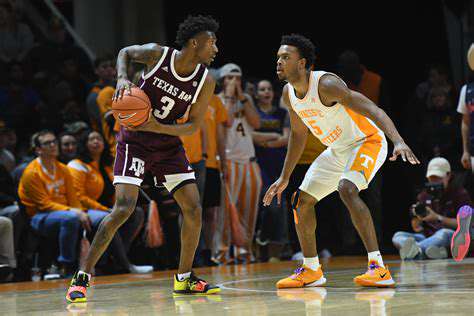
Achievements and Future ProspectsThe Texas A&M basketball team recently completed an exhilarating season, achieving a commendable win-loss record of 24-8. This improvement underscores the team's growth and resilience, driven by standout performances and strategic adjustments that propelled them towards playoff contention. Season Highlights and Player PerformancesThe Aggies showcased notable offensive growth, averaging 76 points per game thanks to a strong roster. Key player statistics, including field goal percentages and assists metrics, highlighted the team's collective efforts. Star players like Jamie Dixon led the charge, averaging 20 points per game, while Kevin Donnelly made significant defensive contributions, averaging 12 rebounds per game. Players such as Wade Taylor IV and Tyrece Radford further demonstrated their prowess, contributing efficiently to the offense, emphasizing the team's depth. Taylor's stellar shooting, with an effective field goal percentage of 54%, and Radford's versatility played vital roles in navigating competitive matchups. Coaching Strategies and Team DynamicsUnder the direction of their coaching staff, the Aggies adopted a more aggressive defensive approach this season. The transition to a man-to-man defense caught opponents off guard, resulting in increased turnovers that the team capitalized on, establishing a formidable defensive reputation. The introduction of a three-guard lineup also enhanced their offensive versatility, allowing for improved shot selection and spacing. Future Outlook: Recruitment and DevelopmentLooking ahead, Texas A&M aims to build on its successes through focused player development and strategic recruitment. The upcoming offseason will be crucial for maturing returning players' skills, while scouting new talent will bolster their depth. An emphasis on shooting mechanics and defensive coordination will be key to maintaining competitive stature within the Southeastern Conference. Recruitment StrategyThe Aggies' recruitment efforts are concentrated on identifying local and talented high school prospects and skilled transfer students who can seamlessly integrate into the team's culture. Enhanced analytics will guide evaluations, ensuring the selection of recruits who fit both athletically and culturally. ConclusionAs Texas A&M moves forward, the combination of strong returning players, promising recruits, and strategic development will be critical in positioning the team as a potential NCAA tournament contender. By fostering team chemistry and honing their skills, the Aggies are set to rise and shine in the upcoming seasons. Stay updated with Texas A&M basketball as they strive for greater heights in NCAA competition!
Mar 28, 2025
Game Analysis and InsightsThe upcoming clash between the Oklahoma City Thunder and the Milwaukee Bucks promises to be a key matchup, influenced by both teams' recent performance and strategies. Current Team Form and Player PerformanceThe Thunder have displayed inconsistency lately, highlighted by recent losses that exposed their defensive vulnerabilities. Despite impressive individual performances from sophomore guard Josh Giddey, who averages over 20 points and 7 assists, the team's inability to close games raises concerns. Conversely, the Bucks are riding a winning streak, anchored by star player Giannis Antetokounmpo, who averages an incredible 29 points and 12 rebounds. Their well-structured offensive strategy, complemented by strong defensive play, solidifies their status as a playoff contender. Defensive Strategies and Matchup DynamicsBoth teams will need to employ effective defensive formations to manage the other’s offensive threats. With the Thunder's risky defense leading to high-scoring games, adapting strategies will be crucial. Players like Jalen Williams will play pivotal roles in containing sharp-shooters from Milwaukee, while the Bucks' Jrue Holiday will have the challenge of both facilitating his team’s offense and defending against Thunder playmakers. Coaching and Intangible FactorsCoaching philosophies significantly shape game outcomes, with Bucks’ Mike Budenholzer focusing on ball movement to maximize player efficiency, particularly for Giannis. Thunder coach Mark Daigneault emphasizes adaptability and skill development, essential for preparing his young team to face seasoned competition. Game Projections: What to ExpectStatistical analysis leans towards the Bucks for the upcoming matchup, given their solid track record and scoring efficiency, particularly their three-point shooting abilities. Recent meetings have shown the Bucks scoring over 120 points against teams struggling to maintain effective defense. Projections indicate the Thunder may score between 105 and 115 points, compelling them to focus on their perimeter defense to limit the Bucks’ scoring opportunities. Key TakeawaysAs the game approaches, factors like player condition and coaching strategies will heavily influence the matchup. Injuries, particularly to stars like Giannis and Shai Gilgeous-Alexander, can sway expectations, while recent form tilts predictions in favor of the Bucks. Regardless, the unpredictability of NBA matchups guarantees excitement, making this game a must-watch for basketball enthusiasts.Stay updated for live analyses and insights as these two teams prepare to battle it out on the court!
Mar 30, 2025
Your Guide to NCAA Tournament PredictionsThe world of college basketball is buzzing as we look ahead to March Madness 2025. With dynamic athletes and coaching strategies in play, this year’s tournament promises thrilling matchups and surprising outcomes. Here’s what you need to watch out for! Key Players to FollowAs the tournament advances, keep an eye on standout players who can make or break their teams' chances. Emerging talents like Aidan Murphy from Texas and Jenna Davis from Connecticut are expected to shine, thanks to their impressive season stats. Additionally, seasoned veterans play critical roles, bringing experience and leadership that can uplift team morale. Understanding the impact of these key athletes on the court will help you anticipate game outcomes. Coaching Strategies Impacting SuccessInnovative coaching strategies will significantly shape the tournament landscape in 2025. Coaches are vital in fostering both skill development and mental toughness among players, tailoring their tactics according to game dynamics and opponents’ strengths. This adaptability is crucial for high-stakes matches where high-pressure scenarios often play a decisive role. Must-Watch MatchupsAnticipate breathtaking clashes, such as the defensive strength of Virginia against the rapid-fire offense of Gonzaga. Study these teams’ tactical approaches, as they may present varied game philosophies, leading to captivating basketball action. Recognize how historical performance in similar matchups can guide your predictions. Bracket Strategies for SuccessUnderstanding the fundamentals of bracketology is essential for predicting NCAA outcomes effectively. Emphasizing historical trends and current player statistics increases your chances of making informed guesses during the tournament. Strategies like prioritizing matchups with strong statistical advantages and recognizing potential sleeper teams can significantly enhance your bracket-filling success. Staying Updated for Competitive EdgeAs the tournament nears, staying informed about team dynamics, injuries, and other developments is crucial. Engage with reputable sports news sources to gain insights and track changes that could impact gameplay. Expert analyses can illuminate strategies you may not have anticipated, providing you with a comprehensive view on potential upsets and standout performances. Insights from Previous TournamentsReviewing historical data on team performances under pressure will bolster your understanding of this year's tournament dynamics. Recent trends indicate that teams with a strong finish to their seasons often carry momentum into March Madness. Keep an eye on past champions and their mental toughness in close games—weighing their past success can help you make well-informed predictions. Final ThoughtsAs we approach March Madness 2025, the blend of player performances, coaching influence, and statistical understanding will be vital for those looking to create winning brackets. By keeping tabs on emerging talents, analyzing matchups, and understanding the significance of history and momentum, you position yourself favorably in the thrilling journey of the NCAA tournament. Stay engaged, stay informed, and prepare for an exhilarating season ahead!
Apr 01, 2025
Highlights, Challenges, and Future ProspectsThis season was a pivotal one for Illinois basketball, marked by key performances, strategic coaching adjustments, and a mix of triumphs and challenges. As fans and analysts look back, they take note of the high expectations set during the preseason, the impressive gameplay demonstrated in key matchups, and what lies ahead for this promising program. Preseason Preparations and ExpectationsThe Illinois basketball team entered the season with a compelling roster that combined seasoned veterans with promising newcomers. The coaching staff emphasized building team chemistry and refining individual skills, focusing on robust conditioning and defensive strategies. Exhibition games offered a critical testing ground to observe how players adapted to various game situations. Standout Games of the SeasonThroughout the regular season, Illinois showcased its potential in several significant matchups. A notable highlight was their incredible comeback against a top-ranked opponent, underscoring their resilience. Moreover, a thrilling victory during rivalry week not only lifted team morale but also solidified their standings for potential postseason play. Key Player ContributionsThis season, standout players emerged, significantly shaping the team's dynamics. The senior guard led in scoring, averaging over 20 points per game, while one freshman forward made a strong defensive impact. These achievements reflect a collective effort that showcases the determination and talent within the program. Coaching Strategies and AdaptationsThe coaching staff played an instrumental role, making crucial adjustments mid-season. By shifting to a more aggressive offensive strategy emphasizing ball movement and spacing, they enhanced scoring opportunities in tight games. Game film analysis became essential for understanding opponents and adapting strategies, proving vital for player matchups and overall performance. Future Prospects and GoalsAs the season concludes, Illinois is looking forward with optimism. The combination of experienced players and promising recruits sets a solid foundation for future success. A focus on developing young talent and addressing areas for improvement, especially in game management and execution, will be critical. Challenges EncounteredDespite some remarkable successes, the season was not without difficulties. Injuries affected key players and disrupted team chemistry, while defensive struggles haunted them throughout the season. Coaching changes also prompted a reassessment of offensive strategies, requiring players to adapt swiftly to new roles and systems. Looking AheadWith the season wrapping up, the coaching staff is keenly aware of the need for improvement in key performance areas, such as shooting efficiency and defensive communication. There's a palpable sense of hope surrounding the upcoming recruiting class, highlighted by the commitment of top prospects. Preparing for the next season will hinge on player development and fostering a cohesive team environment.Illinois basketball stands at a crossroads, energized for the challenges ahead while reflecting on a season of growth, resilience, and potential. As they prepare for the next chapter, the Illini aim not only to learn from past experiences but to emerge as a formidable force in the NCAA landscape.
Apr 12, 2025
Rodney Peete: NFL Career Retrospective and Post Playing Life
May 06, 2025
Bucks vs. Lakers: In Depth NBA Clash Preview and Statistical Analysis
May 07, 2025
Inside the NCAA Tournament: Scores, Brackets, and Game Changing Moments
May 14, 2025
View Volumes>>