How to Master the NBA Pick and Pop Strategy
A well-timed Pick-and-Pop can throw off defensive schemes, providing significant advantages. According to a study by the NBA's analytics department, teams utilizing this strategy see a 15% increase in effective field goal percentage when the screener has a tendency to shoot from outside. The need for versatility in player skill sets has never been more apparent in modern basketball, making this strategy both practical and valuable for a team's offensive playbook.
Defensive Countermeasures Against the Pick-and-Pop
Defenders face a challenging situation when guarding against the Pick-and-Pop. Effective communication between the on-ball defender and the screener's defender becomes crucial to mitigate the offensive advantage. One common approach is to switch defenders, though this can leave mismatches if the big man is agile. Alternatively, some defenses opt for a “hedge-and-recover” technique, where the screener's defender briefly engages the ball handler before returning to guard the shooter.
Adapting the Pick-and-Pop Strategy to Different Player Skill Sets
Not all players are created equal, and the utility of the Pick-and-Pop can vary based on individual player attributes. For example, a stretch four who can shoot consistently from the perimeter allows for a more potent offensive flow, creating spacing that can benefit the overall team play. Conversely, a player limited in exterior shooting might not be as valuable running this play, instead working as a diver to the basket. This adaptation highlights the importance of analyzing and aligning player strengths with game strategies.
Key Components of the Pick-and-Pop

Understanding the Fundamentals of the Pick-and-Pop
At its core, the pick-and-pop is about creating mismatches and spacing on the court. Knowing when to set a screen and when to roll or pop is crucial for success. This play typically involves a pick set by a forward or center, which either creates an open shot for the ball handler or allows the screener to pop out for a shot. Each player must have a clear role in executing this strategy effectively.
Communication is key. Teams that can effectively communicate during a pick-and-pop are often the ones that execute it with precision. Players should indicate their intentions verbally or through eye contact, making it easier to read defenses and make decisions in real-time.
The Role of the Ball Handler
The ball handler has a significant influence on the success of the pick-and-pop. This player must quickly assess the defense's reaction to the screen. If the defense switches, the ball handler must exploit mismatches by attacking the weaker defender. Moreover, patience can go a long way; waiting for the screen to fully develop often opens up better shooting opportunities.
Understanding how to read the defense is vital. Ball handlers should be trained to recognize different defensive strategies, whether it's a switch or a hedge, and adjust accordingly. This adaptability is what differentiates a good pick-and-pop execution from a great one.
Screening Techniques for Success
The effectiveness of a pick-and-pop largely depends on how well the screen is set. Effective screening requires the screener to establish solid body positioning and to ensure contact is made with the defender. Body language and positioning can make a huge difference in the effectiveness of the screen.
- Shoulder Alignment: Keeping shoulders square helps in maintaining balance.
- Timing: The screen should be set as the ball handler approaches, maximizing the impact.
- Contact: A solid screen involves creating contact without committing fouls.
Training drills that focus on these elements can improve screening efficiency. Coaches should prioritize teaching these techniques, as they can elevate the overall performance of pick-and-pop plays during games.
Importance of Spacing on the Court
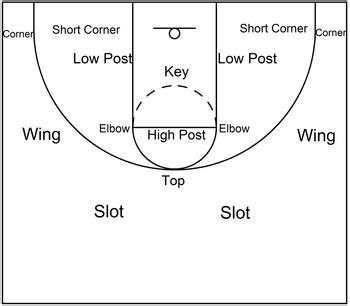
Spacing is vital in basketball, especially during pick-and-pop situations. Proper spacing allows the ball handler room to maneuver, while also giving the screener sufficient room to pop out for a jump shot. Without adequate spacing, defenses can easily collapse on the ball handler, neutralizing the effectiveness of the play.
Strategically placed offensive players on the perimeter makes it difficult for defenders to help without leaving opponents wide open for a shot. Teaching players to maintain spacing is imperative in maximizing offensive potential during these plays.
Choosing the Right Personnel
Not every player is suitable for running the pick-and-pop successfully. Typically, a shooting big man or a versatile forward can truly shine in this role. Coaches must evaluate player skills and choose those who can space the floor and shoot effectively. Players like Serge Ibaka and Dirk Nowitzki have shown how vital a good shooting touch can be in executing this strategy.
This evaluation is not limited to shooting skills; a player’s understanding of positioning and timing should also be considered. Systems that include players who can both set screens and shoot effectively can maximize the potential of the pick-and-pop play.
Reacting to Defensive Adjustments
Defenses will often adapt to counter the pick-and-pop. Understanding how to react to these adjustments is critical for offensive success. If the defense switches, the ball handler should quickly exploit mismatches designed to create scoring opportunities. Conversely, if the screener is closely guarded after popping, the ball handler might need to look for other options.
Coaching players to anticipate and react to defensive moves can make or break the effectiveness of the pick-and-pop. Regular scrimmages emphasizing these reactions can prepare players for real-game scenarios.
Analyzing Film for Improvement
Reviewing game footage is essential to mastering the Pick-and-Pop Strategy. Coaches and players should analyze successful and unsuccessful attempts to identify patterns and areas needing improvement. Watching film allows players to spot defensive tendencies and make necessary adjustments in real time.
By breaking down each play frame by frame, teams can learn what worked and what didn’t, using this information to refine their strategy. This analytical approach not only enhances individual skill sets but contributes to the overall effectiveness of the team's performance during matches.
Executing the Pick-and-Pop: Step by Step
Understanding the Basics of the Pick-and-Pop
The pick-and-pop is a foundational offensive strategy in basketball, primarily employed to create open shots, especially for taller players who can shoot from a distance. It involves a player setting a screen for a teammate and then popping out to an open area after the screen is set, creating space for a potential shot. In essence, it maximizes the offensive player's space and provides options for both the ball handler and the screener.
In a successful pick-and-pop scenario, the timing and positioning are crucial. The player with the ball must read the defense and either take the shot or pass it to the screener, who should be ready to receive the ball. Statistically, players who utilize this method effectively can increase their shooting percentage, particularly if they have a strong 3-point shot, transforming them into dual threats as both screen setters and perimeter shooters.
Key Player Roles in the Action
Each player involved in a pick-and-pop has specific responsibilities that can dictate the success of the play. The ball handler must be proficient in reading defenses, capable of understanding when to shoot versus when to pass. The screener, often a big man, should possess a strong outside shot, creating an additional scoring threat once they pop out to the perimeter. Their ability to catch and shoot quickly can significantly impact the game, forcing defenders to make tough decisions.
To optimize effectiveness, it's ideal for both players to have a good sense of communication, often relying on nonverbal cues to signal the play's execution. This synergy not only enhances offensive efficiency but solidifies the players’ chemistry on the court, which is vital during high-pressure situations. Furthermore, statistics show that teams that effectively engage in the pick-and-pop tend to have higher Offensive Ratings compared to teams that do not.
Technical Execution of the Screen
Executing the screen properly is vital for the success of the Pick-and-Pop strategy. The player setting the screen must establish a solid, legal pick without moving, ensuring the defender has minimal chance to navigate around it. This requires not just physical strength but also an understanding of body positioning and timing, which can be honed through practice and game film review. Learning to set a good screen invariably benefits both players involved.
Moreover, after setting the screen, it's essential for the screener to pivot properly and move swiftly to an open area. This rapid transition is key; defenders will often be caught off-guard, opening up valuable scoring opportunities. Practicing this transition consistently in training sessions will enhance players' abilities to react instantaneously during games.
Defensive Countermeasures
Understanding how defenses counter the pick-and-pop is just as crucial as executing the strategy itself. Defenders might switch, hedge, or show hard on the screen to disrupt the play. Each of these tactics presents unique challenges, and being prepared for them allows offensive players to adjust their approach accordingly. For example, if the defense switches, the ball handler should exploit mismatches by driving hard to the basket.
Moreover, teams that study their opponents rigorously can develop strategies to counter Defensive adjustments, such as setting multiple screens to confuse defenders or having players who can slip screens dynamically. Knowing your opponent's tendencies enhances strategic planning and can significantly impact game outcomes. Coaches should utilize film analysis to identify these patterns and prepare accordingly.
Practical Tips for Mastery
To truly master the pick-and-pop, players need to engage in specific drills that promote effective screening and shooting techniques. Practicing various scenarios, including transitions from the pick to shooting, will help players become more comfortable with the strategy. Teams might consider incorporating drills that simulate game pressure to better prepare players for actual game situations.
Players should also focus on developing their shooting skills from different spots on the court, so they’re ready once they pop out after setting the screen. Utilizing shooting machines and practicing variations of shots can substantially improve their shooting consistency. Ultimately, dedication to both practice and gameplay experience will result in greater confidence and efficiency during live play.
Exercises to Improve Pick-and-Pop Skills

Understanding the Basics of Pick-and-Pop
The Pick-and-pop strategy involves two players—typically a guard and a big man—working together to create open shot opportunities. Understanding each player's role is crucial for effective execution of this tactic. The guard uses the screen set by the big man to either drive towards the basket or pull up for a jump shot, while the big man must slip away from the screen to find open space.
Both players need to develop a strong sense of communication, as this determines the success of the play. Good practice often includes varying the distance of the pick and the timing, which can confuse defenders and create space.
Drills for Enhancing Shooting Skills
To improve shooting accuracy off the pick-and-pop, focus on drills that emphasize quick release and consistency. One effective drill is the catch-and-shoot exercise, where players practice shooting immediately after receiving a pass post-screening. This drill helps in developing muscle memory and builds shooters' confidence.
Additionally, simulate game conditions by incorporating defensive pressure in drilling sessions. This challenge will prepare shooters for real-game scenarios, where the stakes and pressure are significantly higher.
It's also advantageous to track shooting percentages over time. Use shot charts to analyze improvements, highlight areas needing further development, and identify shooting hotspots on the court.
Creating Effective Screens
The effectiveness of the pick-and-pop largely depends on the quality of the screen set. A solid screen can greatly enhance a guard's ability to create scoring opportunities. Players should practice setting screens that are both stationary and moving, depending on the game's context.
- Ensure the screener's body is positioned correctly to impede defenders.
- Utilize timing to catch opponents off guard.
- Work on foot placement and leverage for better effectiveness.
Learning how to pivot away quickly after setting a screen can also open up passing lanes and shooting spots for a quick follow-up shot.
Incorporating Defensive Reactions
Understanding how defenders react to the pick-and-pop is necessary for adjusting offensive strategies. Analyze how the defense may switch, hedge, or fight through screens, and create countermeasures. Players should practice reading the defense in real-time during scrimmages.
Consider utilizing a re-screen tactic if the defense overcommits to a particular movement. This quick adjustment can create further separation and scoring opportunities. By involving different defensive scenarios in practice, players can anticipate and adapt faster during actual games.
Communicating Effectively on the Court
Communication among players is paramount in executing the pick-and-pop strategy successfully. Guards and big men must routinely call out when a screen is imminent, allowing both players to be prepared for the movement. Words like screen left or pop out can be helpful in clarifying actions clearly and concisely.
Encourage team meetings or huddles to discuss the effectiveness of the strategy and review in-game situations. This practice can lead to a better understanding of each other's playing styles and preferences.
Analyzing Game Footage
One of the best ways to improve pick-and-pop performance is through self-analysis. Going over game footage allows the players to see how well they executed the strategy and where they can improve. Look for patterns, and note when the pick-and-pop created successful shots or whether adjustments were needed.
Use video analysis software to break down specific plays and defensive strategies. This objective feedback is invaluable for players and coaches seeking to optimize their gameplay.
Applying Pick-and-Pop in Game Scenarios
Finally, integrating the pick-and-pop into actual game scenarios is critical for mastering the strategy. Teams must practice not just during practices, but also implement the strategy during scrimmages. The real-time pressure replicates game conditions and helps players hone their instincts.
Moreover, working with a coach to devise specific strategies for game situations can help in decision-making during crunch time. An effective pick-and-pop executed at the right moment can be the difference between victory and defeat.
Analyzing Successful NBA Teams and Players
Understanding the Pick-and-Pop Strategy
The pick-and-pop strategy is a fundamental play in basketball, particularly effective in the NBA. It involves a player setting a screen for a teammate and then quickly stepping away from the defender to receive a pass while positioned beyond the three-point line. This tactic creates mismatches, capitalizing on the defense's reaction to the screen. According to Basketball Reference, teams utilizing this strategy effectively can increase their chances of good shot selection significantly.
Players like Dirk Nowitzki and Kevin Love have perfected this move, demonstrating how a big man can stretch the floor and open up driving lanes for guards. A study published in the Journal of Quantitative Analysis in Sports shows that teams with a higher frequency of pick-and-pop plays tend to have better offensive ratings, underscoring its importance in modern basketball tactics.
Key Attributes of Successful Pick-and-Pop Players
Successful pick-and-pop players generally possess a unique skill set that includes shooting accuracy, intelligence, and the ability to read defenses. A proficient shooter must be able to score from distance consistently, which prevents defenders from sagging off. Recent stats indicate that players like Brook Lopez and Nikola Vučević have elevated their games through their shooting range, making them dual threats in pick-and-roll scenarios.
Analyzing NBA Teams That Excel at Pick-and-Pop
Several NBA teams stand out for their successful implementation of the pick-and-pop strategy. The Golden State Warriors, for instance, have integrated this tactic effectively, leveraging their shooting prowess and ball movement. Their overall offensive strategy relies on fluid player movement; a model for teams looking to adopt similar strategies. Data from the NBA Stats site shows a marked increase in effective field goal percentage for teams that initiate offense through pick-and-pop formations.
Coaching Insights: Enhancing the Pick-and-Pop Execution
Coaches play a critical role in maximizing the effectiveness of the pick-and-pop strategy. Training sessions should focus on developing both the fundamental skills and the situational awareness required to execute these plays under pressure. It’s vital that players understand the timing and spacing necessary in these scenarios. An analysis by coaching expert Mike Dunlap emphasizes that the foresight to anticipate defensive reactions can significantly enhance the execution of pick-and-pop plays.
Moreover, video analysis can be an invaluable tool in coaching. By reviewing game footage, coaches can pinpoint successful execution and areas for improvement. This systematic approach not only aids in skill enhancement but also cultivates a tactical mindset crucial for player development.
Read more about How to Master the NBA Pick and Pop Strategy