How to Build an NBA Level Vertical Leap
Effective Strength Training Exercises
Strength training is crucial for increasing vertical leap. Exercises like squats and deadlifts are foundational, as they build the major muscle groups that contribute to jumping. Focus on lower body strength while maintaining core stability to enhance your jumping ability effectively.
Another powerful exercise is the box jump. This plyometric drill trains the muscles to exert maximum force in short intervals. Athletes can improve their explosive power significantly through this technique, with studies showing a 25% improvement in jump height over a three-month training program.
Incorporating Olympic lifts, such as clean and jerk or snatch, can also contribute to increased explosive power. These lifts require fast and coordinated movements, which can translate into better jump mechanics.
Plyometric Training for Explosiveness
Plyometric training specifically targets the fast-twitch muscle fibers responsible for explosive movements. Incorporating drills like depth jumps and bounding can be highly effective in enhancing vertical leap. These exercises induce a stretch-shortening cycle that prepares muscles for rapid contraction.
Research shows that athletes performing structured plyometric training see an average vertical leap increase of 10-15% in just 6 weeks. Therefore, integrating plyometrics into a training regimen can pay off significantly for players aspiring to reach NBA-level vertical heights.
It’s essential to focus on proper form during these exercises to prevent injury. Start with lower intensity drills before progressing to more challenging variations to ensure safety and effectiveness.
Data-Driven Progress Tracking
To maximize the effectiveness of Vertical Leap Training, data tracking is essential. Using tools like a vertical jump test or measuring progress with jump mats can give clear insights into improvements over time. Regular testing allows athletes to adjust their training protocols based on real performance data.
Many elite athletes endorse keeping a training journal to log workouts and results. This can be a quick way to identify which techniques yield the best results for individual progress. A combination of subjective experiences and objective data creates a more comprehensive view of training effectiveness.
Additionally, employing video analysis can provide feedback on jumping technique, allowing athletes to refine their form. Continuous assessment tailored to individual performance is vital in achieving and sustaining NBA-level vertical leaps.
1. Strength Training
1.1 Benefits of Strength Training for Vertical Leap
Strength training plays a pivotal role in developing the muscles required for an explosive vertical jump. By engaging major muscle groups, particularly the legs and core, athletes can enhance their power output. Research from the National Strength and Conditioning Association emphasizes that a well-designed strength program can increase vertical leap by improving muscle contraction speed and efficiency.
Moreover, Strength training contributes to injury prevention. Many common injuries occur due to weak muscles or imbalances in strength. A focused regimen reduces the risk factors associated with poor biomechanics during jumping. This ensures not only greater performance but also longevity in an athlete's career.
1.2 Key Exercises for Developing Leg Strength
To effectively build strength, specific exercises must be included. Squats, deadlifts, and lunges are fundamental exercises that target the quadriceps, hamstrings, and glutes. These compound exercises create synergy among muscle groups, promoting greater overall strength. Incorporating varied squats, such as front and single-leg squats, can further enhance balance and coordination.
Additionally, plyometric movements like box jumps and depth jumps are crucial. They train the muscles to contract rapidly, which is essential for an explosive vertical leap. According to a study published in the Journal of Sports Science, athletes who integrated plyometrics with strength training experienced significant improvements in vertical jump heights compared to others who did not.
1.3 The Importance of Core Strength
A robust core is often overlooked but is integral to boosting vertical leap performance. The core stabilizes the pelvis, spine, and upper body, allowing efficient force transfer during jumps. Exercises like planks, Russian twists, and medicine ball throws enhance core stability, crucial for keeping balance during explosive movements.
Furthermore, a strong core ensures that an athlete maintains proper alignment when taking off and landing. This alignment is essential for maximizing jump height and minimizing the risk of injury. Training the core with resistance adds more challenge and significantly contributes to developing functional strength.
1.4 Developing a Customized Strength Training Program
When designing a strength training program, it’s vital to tailor it to individual needs. Factors such as age, athletic experience, and fitness levels should dictate the exercise selection, volume, and intensity. A periodized approach, whereby training loads are adjusted over the weeks or months, can optimize performance gains and prevent plateaus.
Consider incorporating periodization models like linear or undulating variations to keep your routine dynamic and effective. Every 4-6 weeks, reassess your progress using jump tests or strength assessments. This allows for adjustments based on performance improvements or areas needing extra attention to maximize training efficiency.
1.5 Nutritional Considerations for Strength Training
No strength training program is complete without proper nutrition. Adequate protein intake is essential for muscle recovery and growth. Experts recommend 1.6 to 2.2 grams of protein per kilogram of body weight for athletes involved in rigorous training. Incorporating lean proteins, such as chicken, fish, and plant-based sources, can meet these needs.
Carbohydrates are equally critical, serving as the primary energy source during intense workouts. A balanced diet rich in whole grains, fruits, and vegetables will provide the necessary energy for sustained strength training sessions. Additionally, staying hydrated is crucial for optimal physical performance, so be sure to drink sufficient fluids before, during, and after workouts.
2. Plyometric Exercises
Understanding Plyometrics
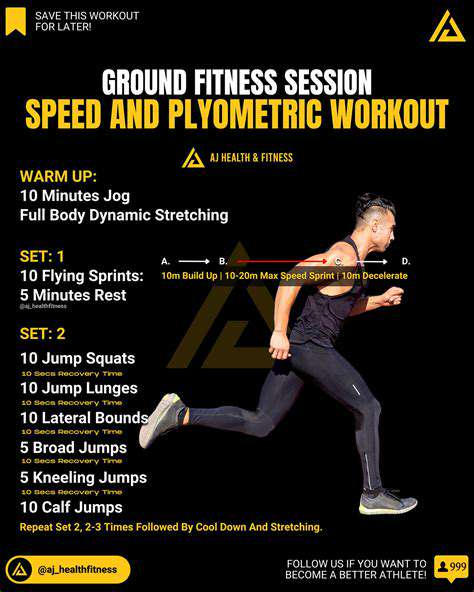
Plyometric exercises are high-intensity, explosive movements that aim to increase muscle power and agility. They typically involve a cycle of stretching and contracting a muscle, known as the stretch-shortening cycle. These exercises are particularly beneficial for athletes aiming to improve their vertical leap. Doing plyometrics can enhance your ability to jump higher and increase overall athletic performance.
Research shows that incorporating plyometric training into your routine can lead to significant gains in both vertical jump height and overall strength. A study published in the Journal of Strength and Conditioning Research found that subjects who followed a structured plyometric program improved their vertical leap by an average of 10% over eight weeks.
Types of Plyometric Exercises
- Box Jumps
- Depth Jumps
- Broad Jumps
- Jumping Lunges
Each type of plyometric exercise targets different muscle groups and energy systems. For example, box jumps focus on explosive leg power, while depth jumps work on reactive strength. Including a variety of these exercises in your training regimen can lead to balanced athletic development.
Proper Technique for Effective Results
When performing plyometric exercises, it’s crucial to maintain proper form to prevent injuries. Ensure your landing is soft, with knees slightly bent and your body centered over your feet. Poor landing technique can lead to knee injuries, significantly detracting from your training.
Many athletes overlook the importance of stabilization. Integrating core exercises can enhance balance and control during plyometric movements. In turn, this provides a foundation for more advanced maneuvers, making your vertical increase safer and more effective.
Incorporating Plyometrics into Your Routine
Begin by including plyometric exercises two to three times a week, allowing for recovery days in between. Start with one or two sets of five to ten repetitions for each exercise, increasing volume as you gain strength and confidence. The key is to challenge yourself without overexerting.
Make sure to perform a proper warm-up before diving into high-impact movements. Dynamic stretching and Mobility Drills can prepare both your muscles and nervous system for the explosive demands of plyometrics, enhancing performance while minimizing injury risk.
Potential Risks and How to Avoid Them
While plyometrics are effective, they do carry some risks if not performed correctly. Overuse injuries, such as tendonitis or stress fractures, can occur due to repetitive impact without adequate recovery. Ensure you listen to your body and rest when needed.
Additionally, consider your physical condition before starting a plyometric program. Athletes recovering from injuries or those with pre-existing conditions should consult a coach or healthcare provider to tailor a safe training plan.
Evaluating Progress and Making Adjustments
Regularly tracking your progress is vital to understand what works for you. Consider measuring your vertical leap before starting a plyometric routine and reassessing every few weeks. This data helps motivate and guides future training adjustments.
If you find that you're plateauing, it may be time to change your plyometric exercises or increase the intensity. Experiment with different movements or incorporate resistance to keep challenging your muscles and enhancing your vertical leap.
3. Flexibility and Mobility Training
Understanding Flexibility in Vertical Leap Training
Flexibility is a crucial component when it comes to improving your vertical leap. A greater range of motion in the hips, knees, and ankles allows for more effective power generation during jumps. Research from the American Journal of Sports Medicine indicates that plyometric exercises combined with flexibility training can lead to substantial improvements in vertical jump performance. Incorporating dynamic stretching before workouts is advisable as it prepares muscles for explosive movements by increasing blood flow and reducing the risk of injury.
Static stretching, while beneficial for recovery and maintenance, should be performed after workouts to enhance muscle elasticity without compromising performance. Athletes often overlook the importance of targeted flexibility routines that focus on key areas such as the quadriceps, hamstrings, and calves. A well-structured flexibility program tailored to the needs of jump training can promote not only better performance but also longevity in an athlete's career.
Incorporating Mobility Drills into Your Routine
Mobility drills play an essential role in vertical jump training by enhancing joint function and improving overall movement quality. For instance, exercises such as hip openers and ankle mobility drills facilitate better squat depth and jumping mechanics. Numerous studies advocate the routine inclusion of these drills, as they help athletes maintain proper biomechanics throughout their jumping phases, leading to reduced injury risks and improved power output. A well-defined mobility routine can also help in overcoming any existing limitations an athlete may face.
Engaging in mobility work 2-3 times a week can contribute to more fluid movement patterns during dynamic activities. Consider incorporating foam rolling and other self-myofascial release techniques to alleviate tightness that might inhibit performance. This consistent approach will not only enhance your vertical leap but also contribute to a more athletic and agile overall performance on the court.
4. Jump Technique and Form

Understanding the Importance of Jumping Technique
The way you jump can greatly influence the height and efficiency of your leap. A proper jumping technique helps not only in achieving a greater vertical leap but also in reducing the risk of injury. An Effective Jump Technique should consider body mechanics, timing, and muscle engagement.
By mastering these aspects, athletes can enhance their overall performance in various sports, including basketball, where vertical leap is crucial. Specific studies indicate that athletes with refined techniques can jump significantly higher, typically 10-15% more than those without proper form.
The Mechanics of a Successful Jump
Successful jumps involve a combination of proper posture, effective arm movement, and powerful leg drives. Think about the jump as a coordinated effort — the legs should engage explosively while the arms provide critical momentum. Understanding each component allows athletes to distribute their energy effectively throughout the jump sequence.
Research has shown that even small adjustments in mechanics can lead to noticeable gains in jump height. For example, incorporating a deeper knee bend during takeoff can generate more force and increase vertical reach.
Common Mistakes in Jumping Form
- Not using the arms effectively during jumps.
- Landing improperly, which can lead to injuries.
- Failing to engage the core muscles properly.
Many athletes make similar mistakes that can hinder their jumping ability. Two frequent issues include improper arm positioning, which can limit upward momentum, and incorrect landing techniques, leading to untimely injuries. Paying attention to these common pitfalls can drastically improve your overall jumping performance.
Drills to Improve Jump Technique
To enhance jump technique, specific drills can be incorporated into training routines. Plyometric exercises such as depth jumps and box jumps focus on explosive power, encouraging proper form and technique. Additionally, practicing jump squats can further help build the necessary strength around the legs and core.
Incorporating resistance bands during these drills can also enhance effectiveness, as athletes learn to maintain form while dealing with additional weight.
The Role of Flexibility in Jump Performance
Flexibility plays a critical role in jump performance, allowing greater range of motion and reducing the risk of injuries. Stretching and mobility exercises should be part of any jump training program. As athletes work on their flexibility, they often find that their hips and legs can engage more effectively, resulting in higher jumps.
A study indicated that a flexible athlete showed up to 15% improvement in jump height because of their ability to transfer energy more efficiently during the jumping motion.
The Mental Aspect of Jumping
The mental approach to jumping can significantly influence performance. Visualization techniques help athletes picture successful jumps, building confidence and reducing anxiety. A strong mental game often correlates with physical ability, as athletes need to believe in their jumping capability to achieve peak performance.
Engaging in mindfulness practices aids athletes in staying focused during their jumps, which can lead to better execution and results during competitive play.
Progress Tracking and Evaluation
Tracking progress in jump technique is essential for continued improvement. Athletes should consistently evaluate their jumping mechanics, utilizing video analysis to spot areas that need refinement. Setting performance benchmarks allows individuals to gauge improvements effectively over time.
Moreover, feedback from coaches or peers can provide insights into unrecognized flaws in form, offering a pathway to targeted improvements and enhancing overall vertical leap numbers.
Read more about How to Build an NBA Level Vertical Leap