How to Build an NBA Caliber Shooting Routine
Decoding the Importance of Shooting Form
Shooting Form is one of the cornerstones of effective basketball shooting. A proper form ensures that the ball is released with maximum accuracy and consistency. Research indicates that around 80% of successful shooters maintain a consistent shooting stance, which includes shoulder alignment, foot placement, and follow-through. Each shooter will have unique characteristics, but certain fundamental principles widely apply.
Moreover, holding the ball correctly is essential. The shooting hand and guide hand must work in harmony to facilitate a smooth release. A shooter should aim to cradle the ball gently, enabling precise control over rotation and arc. Coaches often emphasize this, pointing out that small adjustments can lead to significant differences in shooting success rates. Understanding these mechanics can dramatically enhance a player's performance on the court.
Footwork Fundamentals: The Underpinning of Stability
While many focus on upper body mechanics, footwork is equally crucial for establishing a successful shot. The shooters' feet must be aligned properly, providing a sturdy base for the shot. In fact, studies suggest that about 60% of shooting consistency comes from effective foot placement. This foundation not only contributes to better balance but also helps generate the necessary force for long-range shots.
Practicing footwork drills, such as catching and shooting while pivoting or shuffling, can greatly improve a player's stability during attempting shots. Developing a routine that incorporates these movements can elevate a player's game, ensuring they remain grounded, even under pressure. Additionally, working with a coach for feedback on foot placement often yields significant improvements.
Lastly, some players find that rhythmic foot movement helps them align their shot better. Experimenting with various foot positions during practice can help a shooter discover what feels natural and effective for their game.
Understanding the Role of Eyes and Focus
Your eyes matter significantly when it comes to shooting mechanics. A shooter should zero in on the target, typically the rim's center, before releasing the ball. Psychological studies have shown that maintaining focus on your target can increase shooting percentage by up to 10%. It is crucial to develop mental habits alongside mechanical skills to achieve optimal performance.
Visualization techniques can also play a significant role in improving shooting outcomes. By mentally rehearsing successful shots, players can enhance confidence and reduce performance anxiety. Setting specific goals, like focusing on the rim's back or a specific spot, can further refine shooting accuracy, helping players concentrate solely on their objective during practice and games.
The Power of Consistency: Drilling Techniques
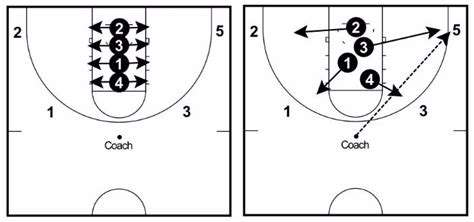
To truly master shooting mechanics, players must engage in consistent practice. Creating a structured daily routine incorporating varied shooting drills can yield significant gains in performance. One effective method is the “Spot Shooting Drill,” where players shoot from marked positions on the court, honing their targeting skills and accuracy. Dedication to repetition in these exercises allows muscle memory to take over during actual gameplay.
Further, incorporating game-like conditions into drills helps prepare players for real scenarios. For example, practicing shots after movement or while closely guarded can mimic competitive environments, sharpening reaction times and focus. Coaches often recommend simulating conditions as closely as possible to make the practice more productive. Consistency in practice—both in structure and execution—can dramatically influence a player's shooting statistics.
Incorporating Drills into Your Routine

Understanding the Importance of Drills
- Drills enhance muscle memory and shooting consistency.
- Regular practice leads to measurable improvements.
- They serve as a foundation for more complex skills.
Drills are essential in developing the skills necessary to shoot at an NBA-caliber level. Regularly practicing these drills not only enhances muscle memory but also boosts shooting consistency. They help you internalize movements so that when the game is on the line, your responses become instinctual rather than conscious.
Research indicates that athletes who engage in focused drill sessions see significant improvements in their performance metrics. NBA players often devote a significant portion of their practice time to specific drills, which train not just physical skills but also mental fortitude.
Types of Effective Shooting Drills
There are various shooting drills that can be incorporated into your routine, each targeting different aspects of shooting skills. For instance, the Spot Shooting drill focuses on shooting from various places on the court, ensuring you can score from anywhere. This enhances your ability to score under pressure and improves your overall field goal percentage. Adding variety to your drills keeps practice engaging and effective.
Another important drill is Free Throw Practice, where players shoot from the line under game-like conditions. Incorporating time constraints or imaginary defenders can elevate the challenge, simulating game pressure.
Lastly, the Off-The-Dribble Shooting Drill allows players to practice their shooting technique after creating space. This drill improves decision-making and execution, which are crucial for high-stakes games.
Creating a Balanced Routine
When incorporating drills into your training schedule, balance is key. You should aim to dedicate specific days to focused shooting sessions while leaving time for conditioning and strength training. Integrating varied drills within your routine can prevent boredom and enhance overall skill development.
An effective approach might include two days solely for shooting drills, followed by one day focusing on other fundamental skills like defense or playmaking. This structured approach not only builds shooting skills but also fosters overall athletic improvement.
Using a planner or app to track your drills can help maintain this balance. By documenting progress, you can identify which drills yield the best results and adjust your practice schedule accordingly.
Evaluating Your Progress
Continuous assessment of your shooting drills will inform your training regimen and maximize improvement. You should video record your drills to analyze technique and identify unproductive habits. This visual feedback can often be more effective than simply relying on a coach's critique.
Additionally, using statistical data, such as tracking shot percentages over time, can provide insights into your progress. These metrics allow you to make informed decisions about which drills to emphasize and which areas need additional attention.
Don’t forget to set specific, Measurable Goals for your shooting performance, which can increase focus and motivation during your training sessions. Achieving these targets will not only enhance your skill set but will also contribute to your confidence on the court.
Structuring Your Practice Sessions
Creating a Structured Warm-Up Routine
A well-organized warm-up is crucial for any shooting practice session. It prepares your body by increasing blood flow to the muscles, which can help prevent injuries and enhance overall performance. Start with dynamic movements such as high knees, lunges, and arm circles. This should last about 10 to 15 minutes to ensure that your muscles are activated and ready for intense shooting drills.
Research shows that engaging in a proper warm-up can enhance an athlete's shooting accuracy. A study published in the Journal of Sports Science indicates that physical preparation can lead to improved muscle activation and coordination, which are vital for shooting precision. Spend time focusing on your shooting form and footwork during your warm-up to establish a rhythm that will carry through the rest of your practice.
Incorporating Drills for Skill Development
After your warm-up, it's time to dive into specific shooting drills that target various aspects of your technique. For instance, consider incorporating spot shooting from different areas of the court. Begin with mid-range shots, and progressively include three-point attempts as you gain confidence. Utilizing drills such as around the world or spot shooting can not only enhance your shooting accuracy but also increase your comfort level in various game situations.
In addition to spot shooting, practice shooting off the dribble and from catch-and-shoot scenarios. This will teach you to quickly find your shooting rhythm, which is essential during actual games. Implementing a timer can help simulate live game pressure and improve your decision-making speed. Make sure to record your performance; keeping track of made shots versus attempts will allow you to monitor progress and adjust your routine effectively.
Tracking Progress and Making Adjustments

Setting Measurable Goals
Establishing clear and measurable goals is critical in tracking your progress as a shooter. Start by determining specific metrics you want to improve, such as shooting percentage, distance, or time spent in drills. Research shows that athletes who set measurable goals are 20-25% more likely to achieve their objectives. This concrete approach helps maintain focus and direction while practicing.
Your goals should be realistic but challenging. For instance, aiming to improve your free-throw percentage from 70% to 80% over a set period is a tangible target. Keeping a weekly log can help evaluate your performance and adjust your training regimen effectively.
Using Technology for Analysis
In today's game, leveraging technology can provide invaluable insights into your shooting mechanics. Many players use apps or devices that analyze shooting form and accuracy, offering immediate feedback. These tools can break down aspects such as release time and shot trajectory, providing specific areas for improvement. Studies indicate that athletes who utilize Performance Analysis technology can enhance their skills significantly faster than those who don't.
- Apps track metrics like shooting angle and release time.
- Data validates progress and aids in making necessary adjustments.
- Regular reviews of digital feedback enhance learning efficiency.
Consistent Reflection and Adaptation
Taking the time to reflect on your performance is vital for continuous improvement. After each practice session, evaluate what went well and what didn't. Documenting successes and failures provides a roadmap for future practices. Embrace a proactive mindset, where you adapt your shooting routine based on your reflections. This adaptability fosters growth and elevates performance standards.
The Importance of Mental Preparation

Understanding the Psychological Demands of Shooting
Within the realm of basketball, the act of shooting extends beyond mere mechanics; it is a mental battlefield. Players need to master their inner dialogue to perform at their peak during high-pressure situations. This psychological aspect is critical when players are faced with distractions from fans, opponents, or their own doubts.
Research indicates that athletes who engage in mental imagery and visualization techniques can improve their performance by as much as 20%. These approaches help players rehearse their shots in their minds, which translates to better on-court execution. Utilizing visualization can enhance confidence, reduce anxiety, and bolster focus.
- Engage in mental imagery to visually rehearse your shooting mechanics.
- Maintain a positive inner dialogue when preparing for a shot.
- Practice mindfulness to stay present and focused during games.
Building Mental Resilience
Mental Resilience is crucial for recognizing and overcoming setbacks. Players who can bounce back from missed shots or poor performances tend to maintain a higher level of play. It’s vital to develop strategies for refocusing and regrouping. Journaling feelings after games can help identify emotional patterns and triggers, thereby enabling a player to better manage their emotional responses.
Another effective tool is goal setting, which can anchor a player's mindset toward improvement rather than failure. Setting specific, measurable, attainable, relevant, and time-bound (SMART) goals keeps players motivated and accountable. A well-defined goal can provide direction and a sense of purpose, even during difficult times.
Practicing Visualization Techniques
Visualization techniques play a vital role in preparing mentally for shooting. Practicing visualization involves imagining oneself successfully making shots from various positions on the court. By engaging in this mental exercise daily, players can enhance their confidence significantly. Studies suggest that athletes who visualize their performance outperform those who do not.
A simple yet effective practice is to spend at least five minutes before shooting sessions visualizing success. Picture yourself going through the motions: catching the ball, aligning your body, and shooting with confidence. This mental rehearsal builds neural pathways, making the actual shot feel more familiar and achievable during a game.
Incorporating breathing exercises during visualization can further enhance relaxation and concentration levels. Controlled breathing helps to mitigate anxiety, allowing players to focus solely on their upcoming tasks.
The Role of Positive Affirmations
Positive Affirmations can be incredibly powerful in shaping an athlete's mindset. Regularly repeating empowering statements can reinforce a player’s belief in their shooting abilities. This practice not only fosters confidence but also helps in creating a mentally supportive environment. Simple phrases like I am a great shooter or I can perform under pressure are effective techniques for mental upliftment.
Additionally, consistency is key when using positive affirmations. Integrate these affirmations into your daily routine, repeating them during training and game days. With time, these positive thoughts can influence a player’s overall self-image and performance on the court.
Another aspect is to pair these affirmations with physical actions, like shooting or dribbling, to establish a connection between the mental and physical aspects of the game. This kinesthetic learning approach can lead to more profound acceptance and application of beliefs during actual gameplay.
Read more about How to Build an NBA Caliber Shooting Routine





Hot Recommendations
- Paraguay Chile: Rivalry Analysis and Key Moments in South American Soccer
- GTA 6: Latest Rumors, Release Date, and Game Feature Rundown
- Carl Erik Rinsch: Profile, Career Impact, and Industry Contributions
- Hunter Biden: Political Profile, Media Coverage, and Public Perception
- Bermuda vs Honduras: Caribbean Soccer Rivalry and Match Analysis
- Badar Khan Suri: Profile, Career Highlights, and Industry Impact
- Joe Gatto: Behind the Scenes of Comedy and Entertaining Moments
- Julio Urias: MLB Pitching Stats, Recent Performance, and Future Predictions
- 33 Immortals: Uncovering the Myth and History Behind the Legend
- Coffee Creamer Recalled: What Consumers Need to Know and How It Affects You